As a homeowner, you rely on your HVAC system to keep your indoor environment comfortable year-round. From the scorching heat of summer to the biting cold of winter, your heating and cooling system works tirelessly. Just like your car needs regular oil changes and check-ups, your HVAC system benefits immensely from annual professional tune-ups. These routine maintenance appointments aren't just about fixing problems; they're about preventing them, ensuring efficiency, and extending the lifespan of your expensive equipment.
Ignoring maintenance can lead to higher energy bills, unexpected breakdowns during peak seasons, and premature system failure. A well-maintained system runs more efficiently, uses less energy, and provides consistent comfort, ultimately saving you money and hassle in the long run.
Factors Influencing HVAC Tune-Up Costs
The cost of an HVAC tune-up can vary, but generally, it's a modest investment compared to the cost of major repairs or system replacement. Several factors can influence the final price you pay:
Geographic Location: Prices for services can differ based on the cost of living and demand in your specific region. Urban areas might see slightly higher rates than rural ones.
Type of System: The complexity of your HVAC system can play a role. A standard central air conditioner and furnace might have a different tune-up cost than a heat pump, ductless mini-split system, or a more elaborate zoned system.
Scope of Service: A basic tune-up typically includes cleaning, inspection, and minor adjustments. Some companies offer more comprehensive packages that might include additional services like duct inspection, filter replacement, or refrigerant top-offs (if needed and allowed).
Company Reputation and Experience: Established companies with highly trained, certified technicians might charge slightly more, but they also offer peace of mind and often a higher quality of service.
Service Agreements/Maintenance Plans: Many HVAC companies offer annual service agreements or maintenance plans. These plans often include one or two tune-ups per year at a discounted rate, priority scheduling, and sometimes even discounts on repairs. This can be a very cost-effective option for homeowners.
Time of Year: While not a major factor, some companies might offer promotions during off-peak seasons (e.g., fall for AC tune-ups, spring for furnace tune-ups) to balance their workload.
What Does an HVAC Tune-Up Include?
A thorough HVAC tune-up typically involves a comprehensive checklist designed to optimize performance and identify potential issues. While specific items may vary slightly by company, you can generally expect the technician to:
Inspect and clean the condenser and evaporator coils.
Check refrigerant levels and inspect for leaks.
Clean or replace air filters (if provided by homeowner or included in service).
Inspect and clean the blower motor and components.
Lubricate moving parts to reduce friction.
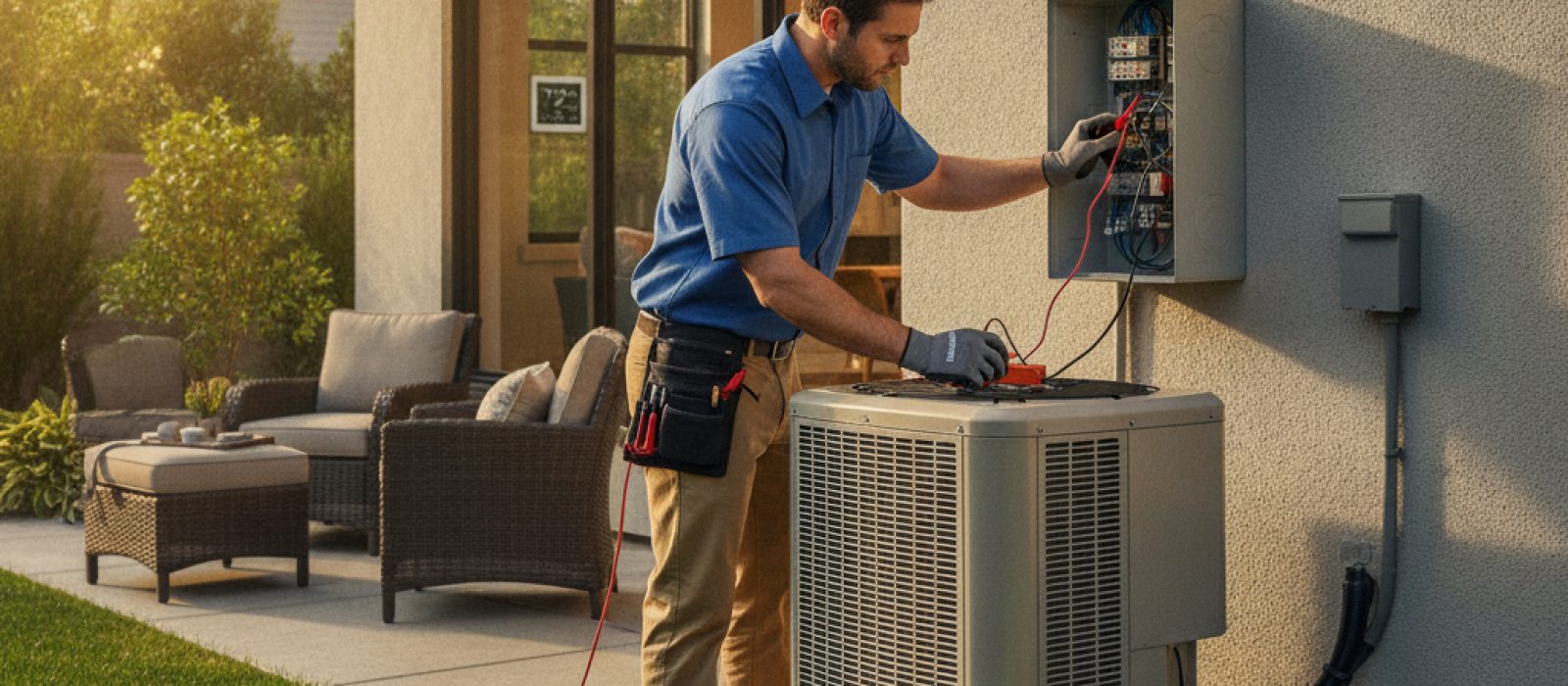
Check electrical connections and test for proper voltage and amperage.
Inspect the condensate drain and clear any blockages.
Test thermostat operation and calibration.
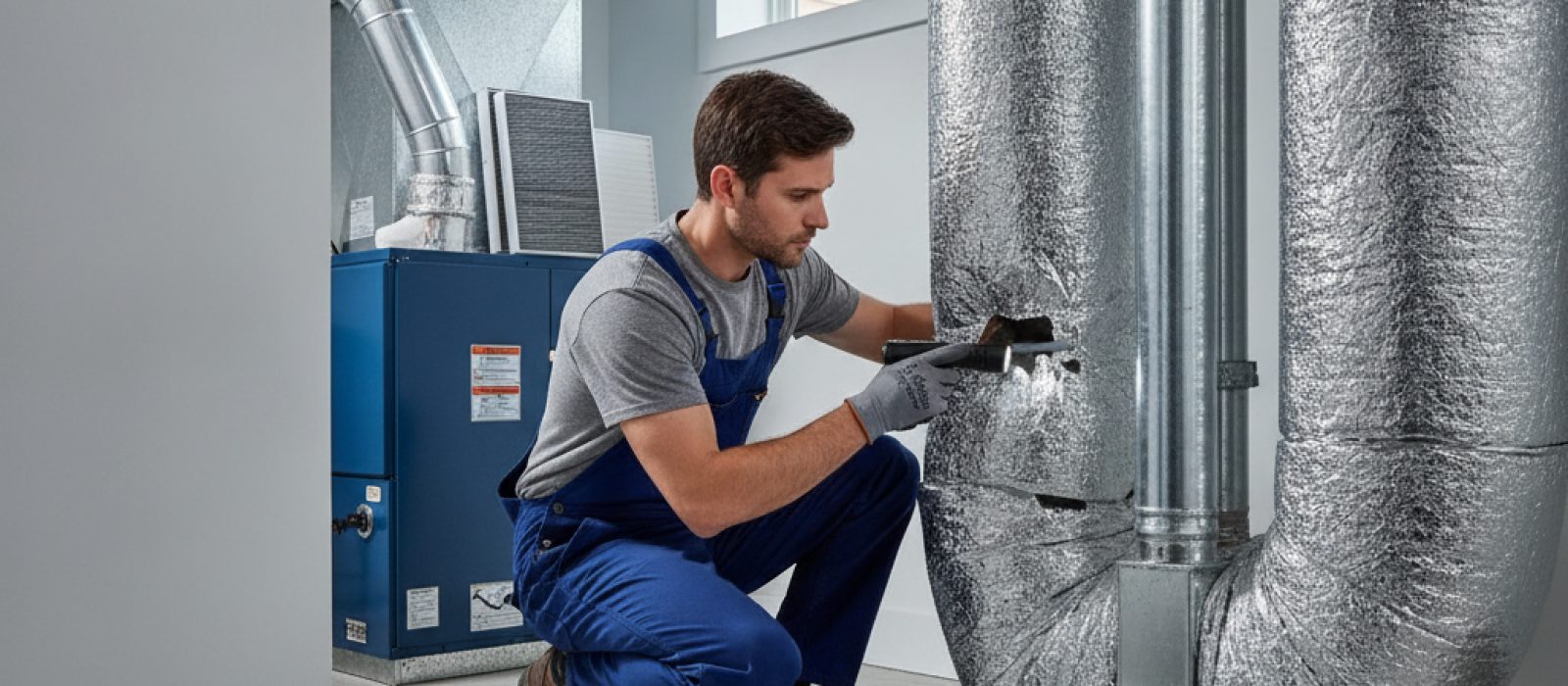
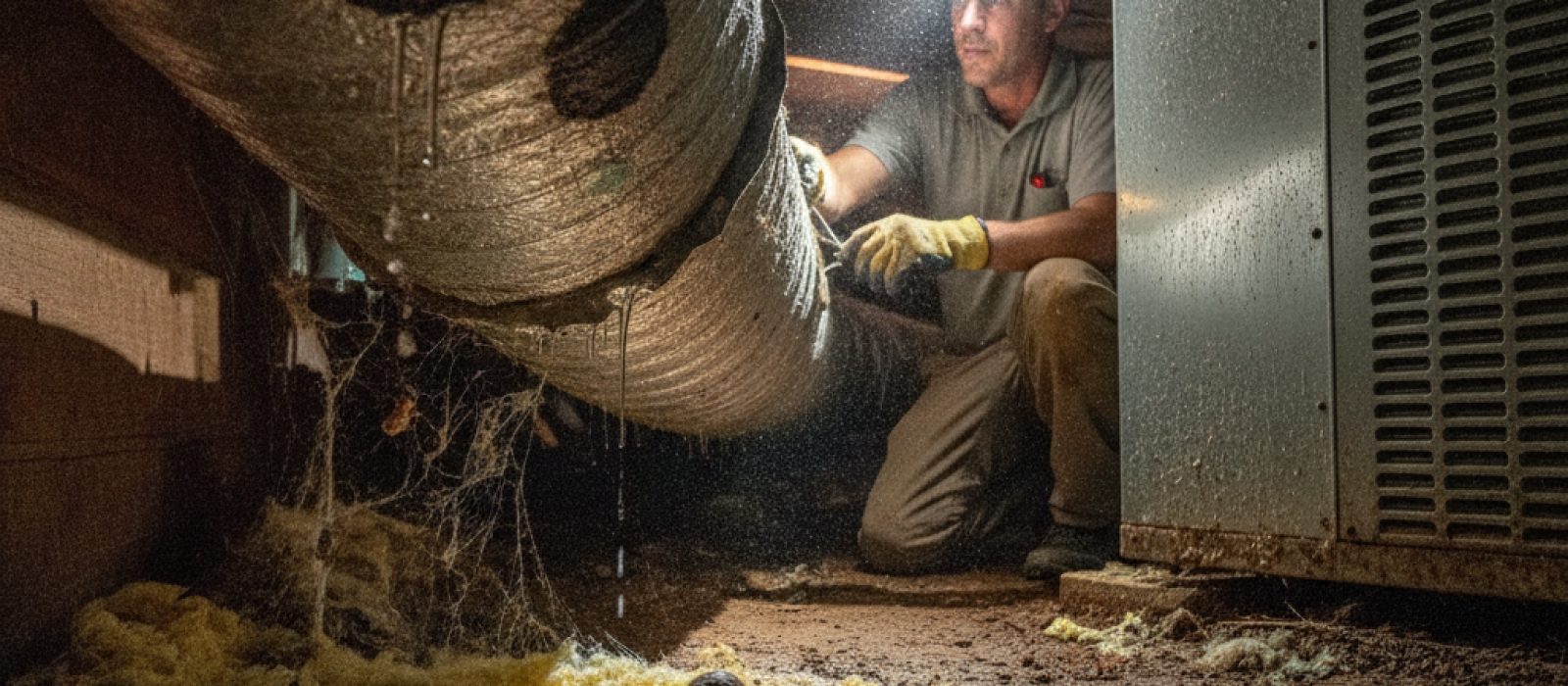
Inspect ductwork for leaks or damage.
Check heat exchanger for cracks or corrosion (for furnaces).
Test safety controls and system cycles.
Measure airflow and temperature rise/fall.
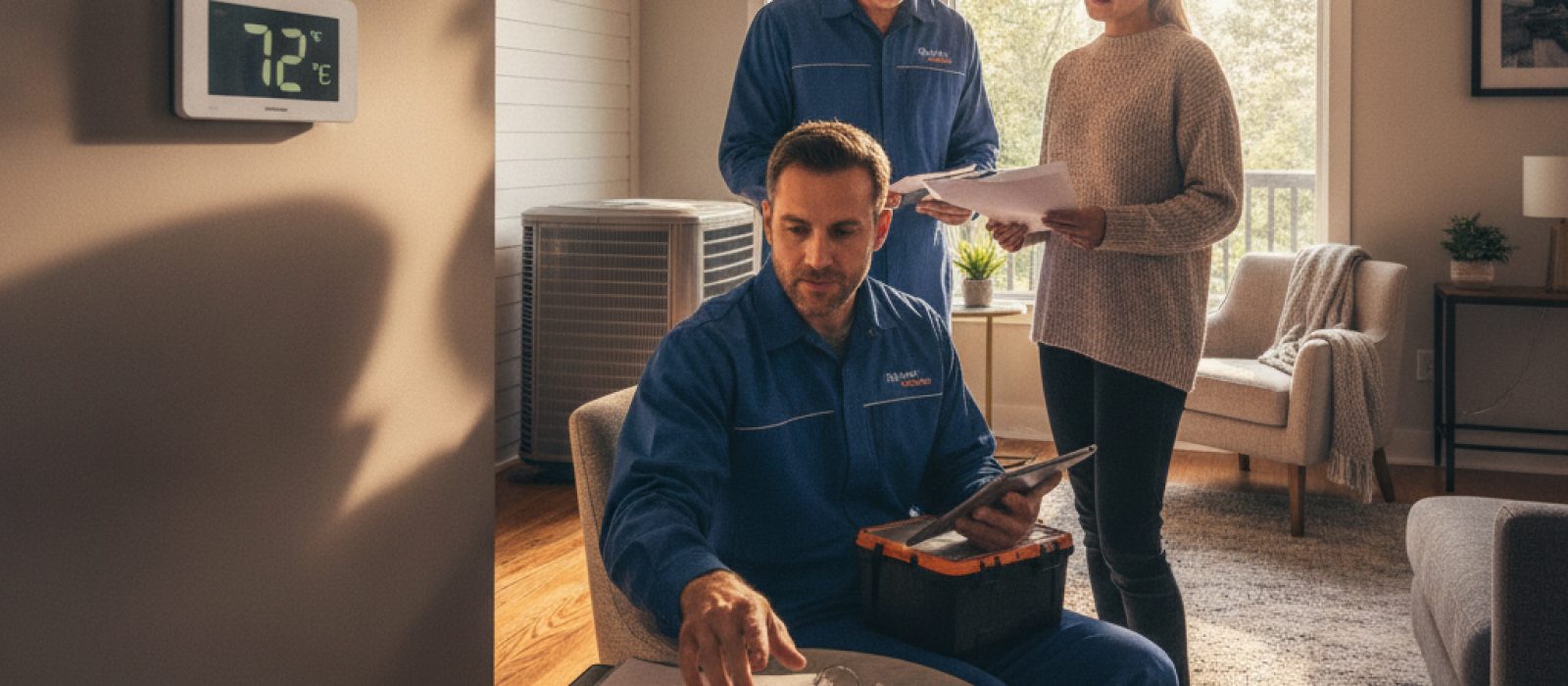
Provide a detailed report of findings and recommendations.
Is a Tune-Up Worth the Cost?
Absolutely. While you might initially focus on the upfront cost, consider the significant benefits that far outweigh this expense:
Lower Energy Bills: A clean, well-tuned system operates more efficiently, consuming less energy and leading to noticeable savings on your monthly utility bills.
Extended System Lifespan: Regular maintenance reduces wear and tear, helping your expensive HVAC unit last longer, delaying the need for costly replacement.
Fewer Breakdowns: Technicians can often spot minor issues before they escalate into major, expensive repairs, especially during extreme weather.
Improved Indoor Air Quality: Cleaning components and replacing filters contribute to cleaner air circulating through your home.
Enhanced Comfort: An optimized system delivers consistent heating and cooling throughout your home, eliminating hot and cold spots.
Warranty Compliance: Many HVAC manufacturers require proof of annual professional maintenance to keep your warranty valid. Neglecting tune-ups could void your coverage.
Think of an HVAC tune-up as proactive health care for your home's most vital comfort system. It's an investment in efficiency, reliability, and peace of mind.
How to Get an Accurate Quote
To get an accurate estimate for an HVAC tune-up, the best approach is to contact reputable local HVAC service providers. Ask for a detailed breakdown of what their tune-up service includes and inquire about any maintenance plans they offer. Don't hesitate to get quotes from a couple of different companies to compare services and pricing, but remember that the cheapest option isn't always the best. Look for companies with good reviews, proper licensing, and experienced technicians.
An HVAC tune-up is essential for preventing problems, ensuring efficiency, extending the lifespan of your equipment, lowering energy bills, and avoiding unexpected breakdowns during peak seasons.
What factors influence the cost of an HVAC tune-up?
Factors influencing tune-up costs include geographic location, the type and complexity of your HVAC system, the scope of services included, the company's reputation, and whether you have a service agreement.
What does a typical HVAC tune-up include?
A typical tune-up involves inspecting and cleaning coils, checking refrigerant, cleaning/replacing filters, inspecting electrical connections, checking the condensate drain, testing the thermostat, and inspecting ductwork and safety controls.
Is an HVAC tune-up worth the cost?
Yes, a tune-up is worth the cost because it leads to lower energy bills, extends your system's lifespan, and results in fewer breakdowns, ultimately saving you money and hassle.
Can a maintenance plan save me money on HVAC tune-ups?
Yes, many HVAC companies offer service agreements or maintenance plans that include tune-ups at a discounted rate, priority scheduling, and sometimes discounts on repairs, making them a cost-effective option.
Learn the function of the HVAC disconnect box, why it is vital for safety, and how to identify when this critical component requires professional attention.