
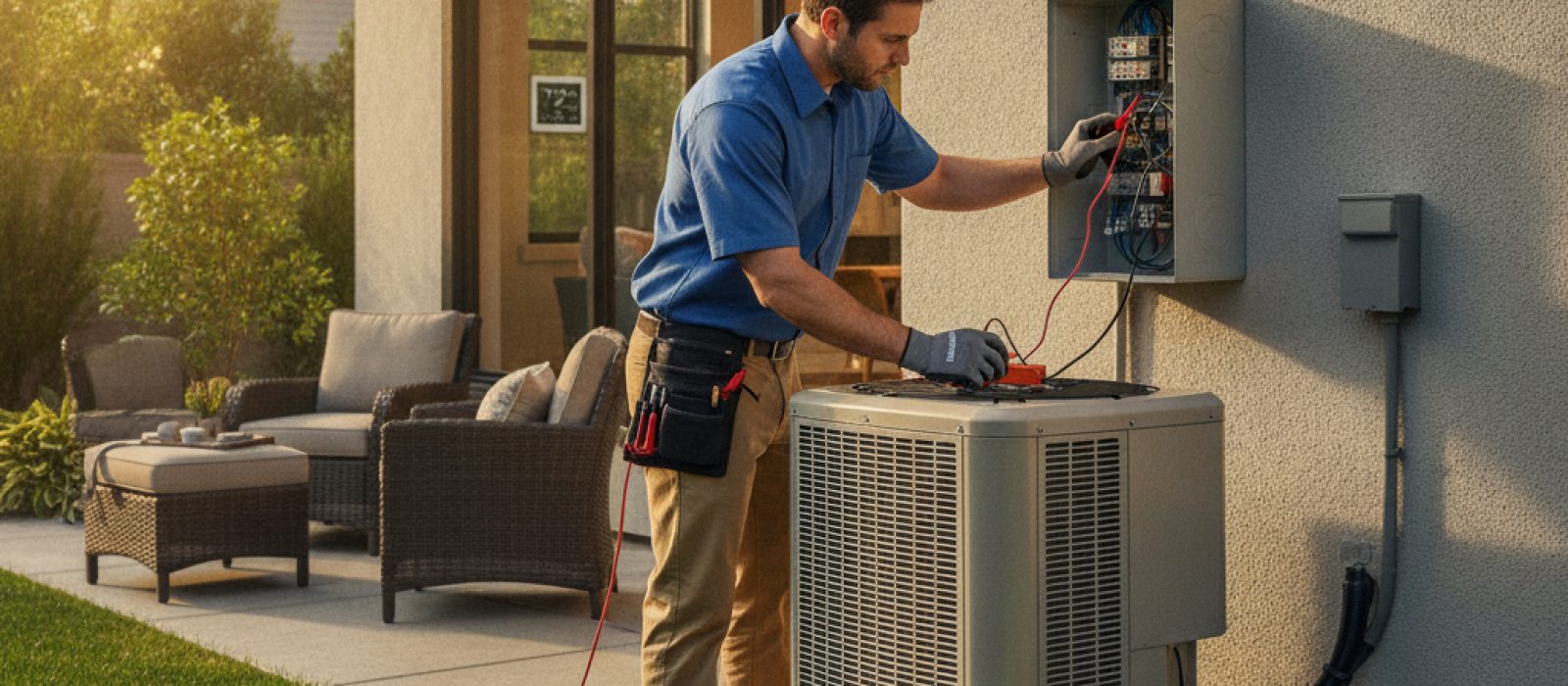
HVAC Disconnect Box: What It Is and Why It Matters
Learn the function of the HVAC disconnect box, why it is vital for safety, and how to identify when this critical component requires professional attention.
3 min read

An HVAC zoning system allows homeowners to control temperatures in different areas of a house independently. By utilizing motorized dampers within the ductwork, sensors in individual rooms, and a central control panel, the system directs airflow where it is needed most. Regular maintenance of these components is critical to prevent mechanical failure and ensure energy efficiency.
Motorized dampers are the mechanical heart of a zoning system. They open and close to regulate the flow of conditioned air to specific zones. Over time, the actuators that drive these dampers can fail, or the damper blades themselves may become stuck due to debris or dust accumulation.
Homeowners can perform a visual inspection of the dampers located near the main air handler or in accessible sections of the ductwork. Listen for the sound of motors engaging when a zone calls for heating or cooling. If a zone fails to reach the set temperature, it may indicate a damper is stuck in the closed position.
Electrical troubleshooting of damper wiring or motor replacement involves internal system components that require a licensed technician. If you suspect an electrical fault or a mechanical failure in a hard-to-reach area, contact a provider specializing in Ductwork Services to safely resolve the issue without damaging the HVAC infrastructure.
Zoning systems rely on accurate data from sensors or thermostats located in each zone. If a sensor provides an incorrect temperature reading, the control panel may trigger the system unnecessarily, leading to uneven heating or cooling. Ensure that these devices are not obstructed by furniture, curtains, or direct sunlight, as these factors can skew temperature readings.
Airflow management is essential to prevent excessive pressure buildup within the ductwork. If too many dampers close at once, the system may struggle, causing noise or reduced efficiency. Professional Maintenance & Tune-up visits often include a static pressure test to ensure the system is operating within the manufacturer’s recommended range.
Restricted airflow caused by a dirty air filter puts significant strain on the blower motor, especially in zoned systems. Changing filters regularly is the most effective way to protect the integrity of the dampers and ensure the system maintains proper balance. This simple task is a foundational aspect of effective Indoor Air Quality management.
When a specific room remains uncomfortable despite the thermostat setting, the issue is often related to communication between the sensor and the control panel. Check the batteries in wireless sensors if applicable, and verify that the control panel is not displaying any error codes. If the system continues to malfunction, it may be time for a professional assessment of your Thermostat Services to ensure the zoning software is configured correctly.
To keep a zoning system functioning at its peak, incorporate these checks into your seasonal schedule:
By staying proactive with these inspections, you reduce the likelihood of emergency repairs and extend the life of your equipment. For complex issues involving system integration, always rely on professional expertise to maintain the delicate balance of your home climate control.
Learn the function of the HVAC disconnect box, why it is vital for safety, and how to identify when this critical component requires professional attention.

Ensure long-term comfort and efficiency by asking the right questions about your home's ductwork design during the new construction process.
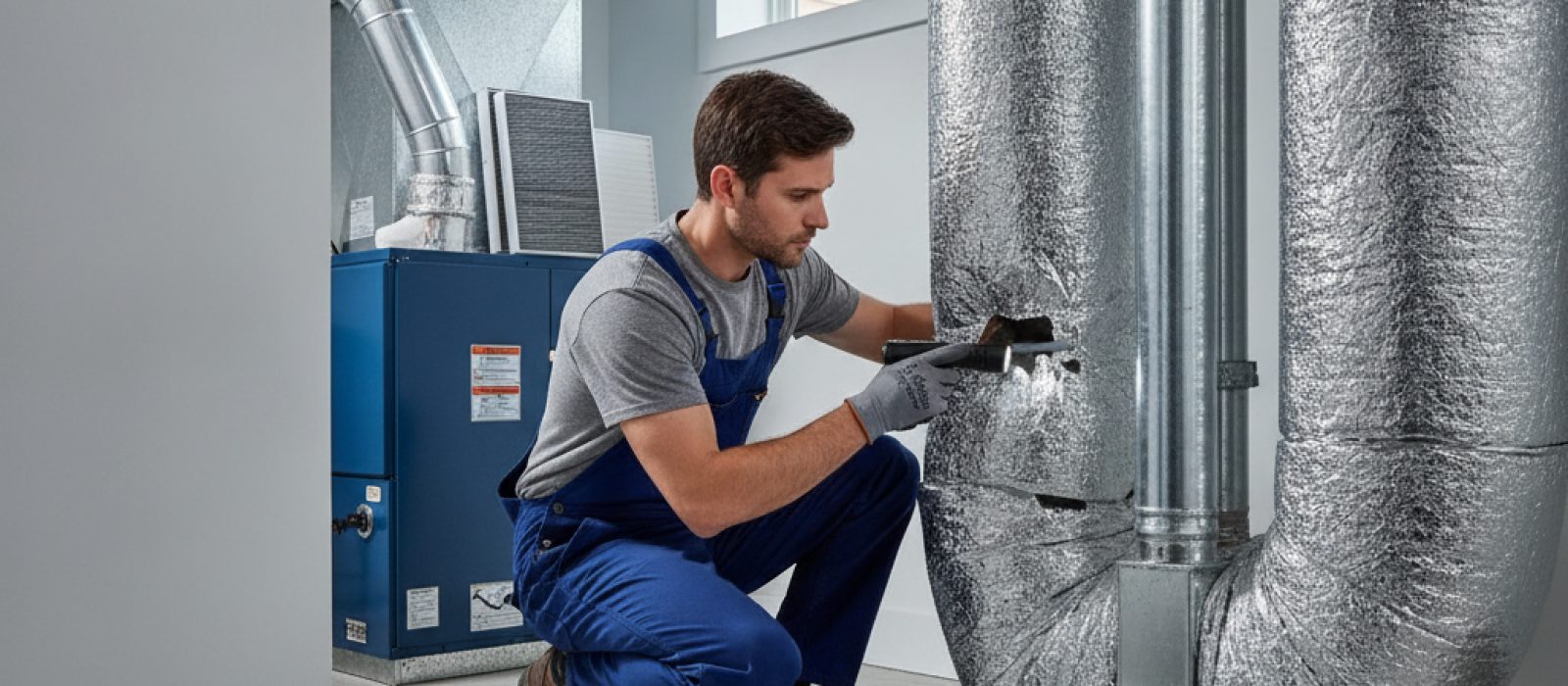
Discover the signs of rodent infestation in your HVAC system and learn how to identify, address, and prevent pest issues in your ductwork.
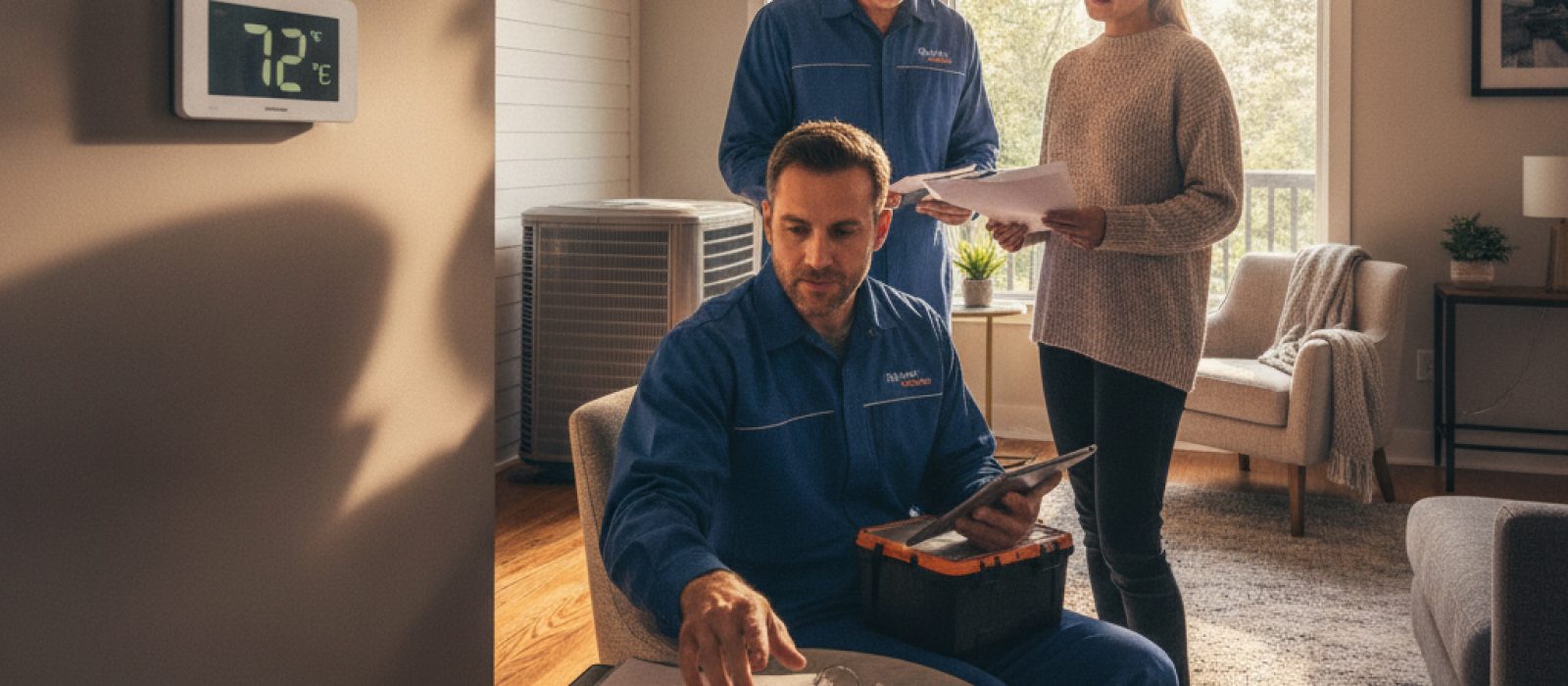
Learn why maintaining a detailed history of your HVAC service records protects your warranty, boosts resale value, and ensures system longevity.
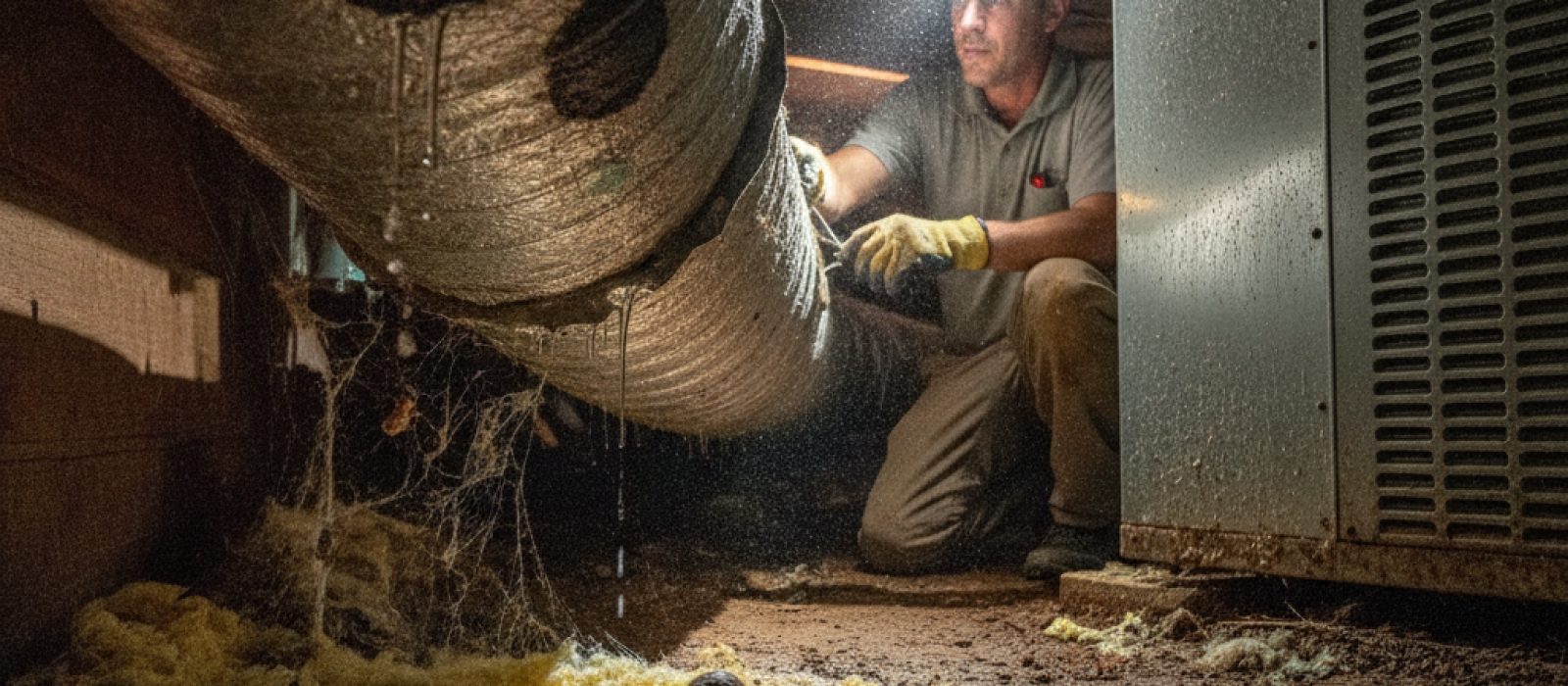
Learn how to identify and resolve common crawl space ductwork problems, including moisture buildup, pest intrusion, and damaged insulation.
Learn how upgrading or maintaining your HVAC registers and grilles can optimize home comfort, improve efficiency, and protect your indoor air quality.
Be the first to comment.