
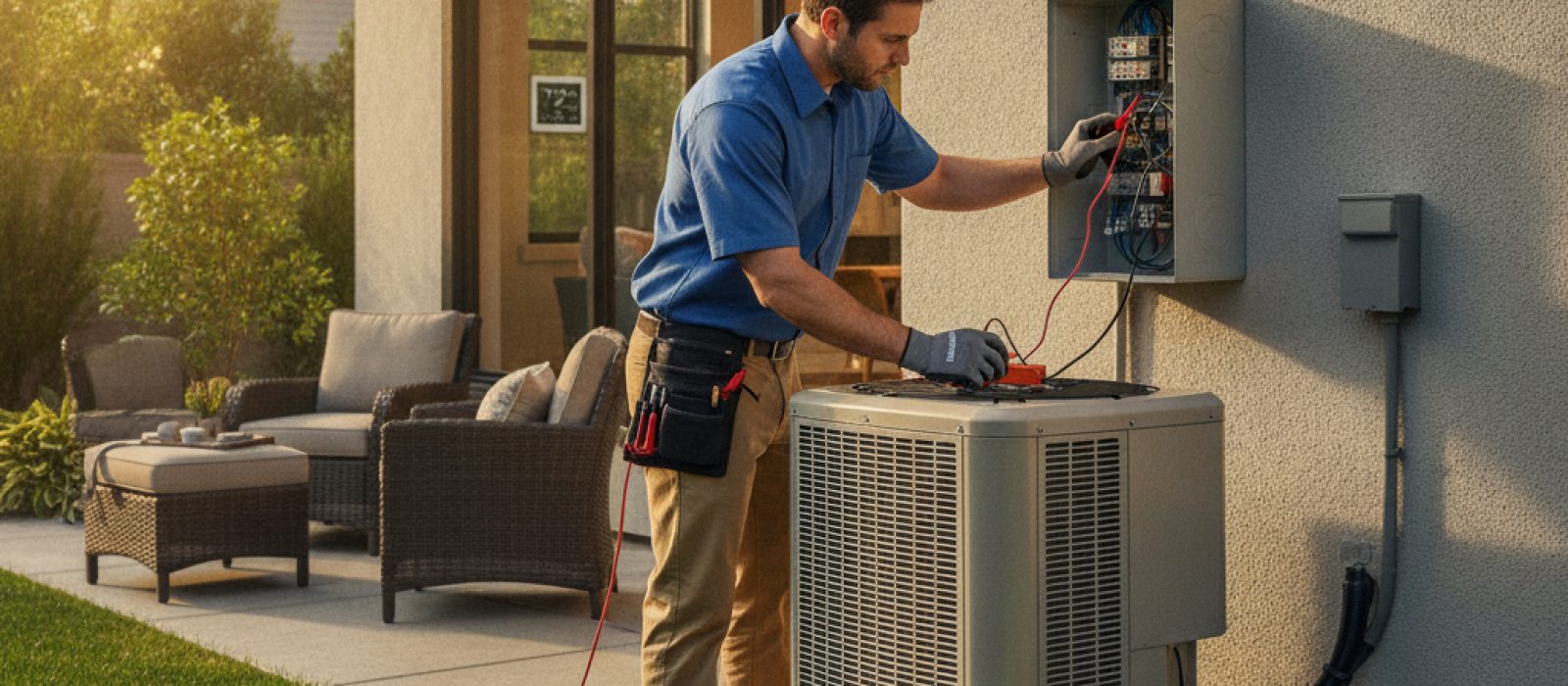
HVAC Disconnect Box: What It Is and Why It Matters
Learn the function of the HVAC disconnect box, why it is vital for safety, and how to identify when this critical component requires professional attention.
4 min read

When you think about your home's heating and cooling, your furnace and air conditioner probably come to mind first. But there's a vital, often-overlooked component that plays a massive role in your indoor comfort, air quality, and energy bills: your ductwork. These hidden pathways distribute conditioned air throughout your home, and when they're not performing optimally, you'll definitely feel (and pay for) the difference.
Many homeowners don't give their ducts a second thought until a problem becomes undeniable. However, being proactive can save you significant headaches and expenses down the line. Knowing the signs that your air ducts need inspection or service is key to maintaining an efficient, comfortable, and healthy home environment.
Do some rooms in your house feel like a sauna while others are an icebox? Inconsistent temperatures across different areas of your home are a classic sign of ductwork issues. Leaks in the ducts can prevent conditioned air from reaching its intended destination, leading to hot and cold spots. Blockages, kinks, or collapsed sections can also restrict airflow, causing certain rooms to be perpetually uncomfortable.
If your energy bills are steadily climbing without a corresponding increase in usage, leaky or damaged ductwork could be a major culprit. The U.S. Department of Energy estimates that typical duct systems lose 20 to 30 percent of the air moving through them due to leaks, holes, and poorly connected ducts. That's a significant amount of conditioned air (and money) literally escaping into your walls, attic, or crawl space, forcing your HVAC system to work harder and longer to maintain your desired temperature.
Dust is a normal part of life, but if you notice an excessive amount of dust accumulating rapidly on surfaces, or if family members are experiencing increased allergy symptoms, your ducts might be to blame. Leaky ducts can pull in unfiltered air from unconditioned spaces like attics, basements, and crawl spaces, bringing with it dust, allergens, mold spores, and even pest debris. This contaminated air is then circulated throughout your living areas, impacting your home's air quality and your family's health.
Your HVAC system should operate relatively quietly. If you start hearing whistling, rattling, banging, or flapping sounds coming from your vents or within your walls, it's time for an inspection. Whistling often indicates small leaks or restrictions in airflow. Rattling could mean loose ductwork connections or debris inside the ducts. Banging might suggest expanding and contracting metal ducts due to temperature changes, or even a disconnected section.
A musty or moldy smell emanating from your vents is a serious red flag. This indicates the presence of mold or mildew somewhere within your ductwork, often due to moisture intrusion from leaks or high humidity. Breathing in mold spores can be detrimental to your health, especially for those with respiratory conditions or allergies. Visible mold growth near vents or on duct surfaces also warrants immediate professional attention.
Ductwork can be an attractive highway for pests like rodents and insects, especially if there are gaps or holes. If you suspect or see signs of pests in your home, especially near vents or in your attic/crawl space, it's crucial to have your ducts inspected. Pests can chew through ductwork, leave droppings, and even die within the system, creating blockages and severe air quality issues.
Like any component of your home, ductwork has a lifespan. If your home is older, or if you've never had your ducts inspected, they could be deteriorating. Older duct materials, especially flexible ducts, can sag, tear, or become disconnected over time. Regular inspections are particularly important for homes built several decades ago.
Ignoring signs of ductwork issues won't make them disappear; it will only lead to more significant problems and higher costs down the line. A professional HVAC technician can perform a thorough inspection, identifying leaks, blockages, damage, or contamination. They can then recommend and perform necessary repairs, sealing, cleaning, or even replacement.
Investing in your ductwork's health can lead to:
If you've noticed any of these signs in your home, don't hesitate to contact a trusted HVAC professional. A small investment in a ductwork inspection today can ensure your home remains comfortable, healthy, and energy-efficient for years to come.
Learn the function of the HVAC disconnect box, why it is vital for safety, and how to identify when this critical component requires professional attention.
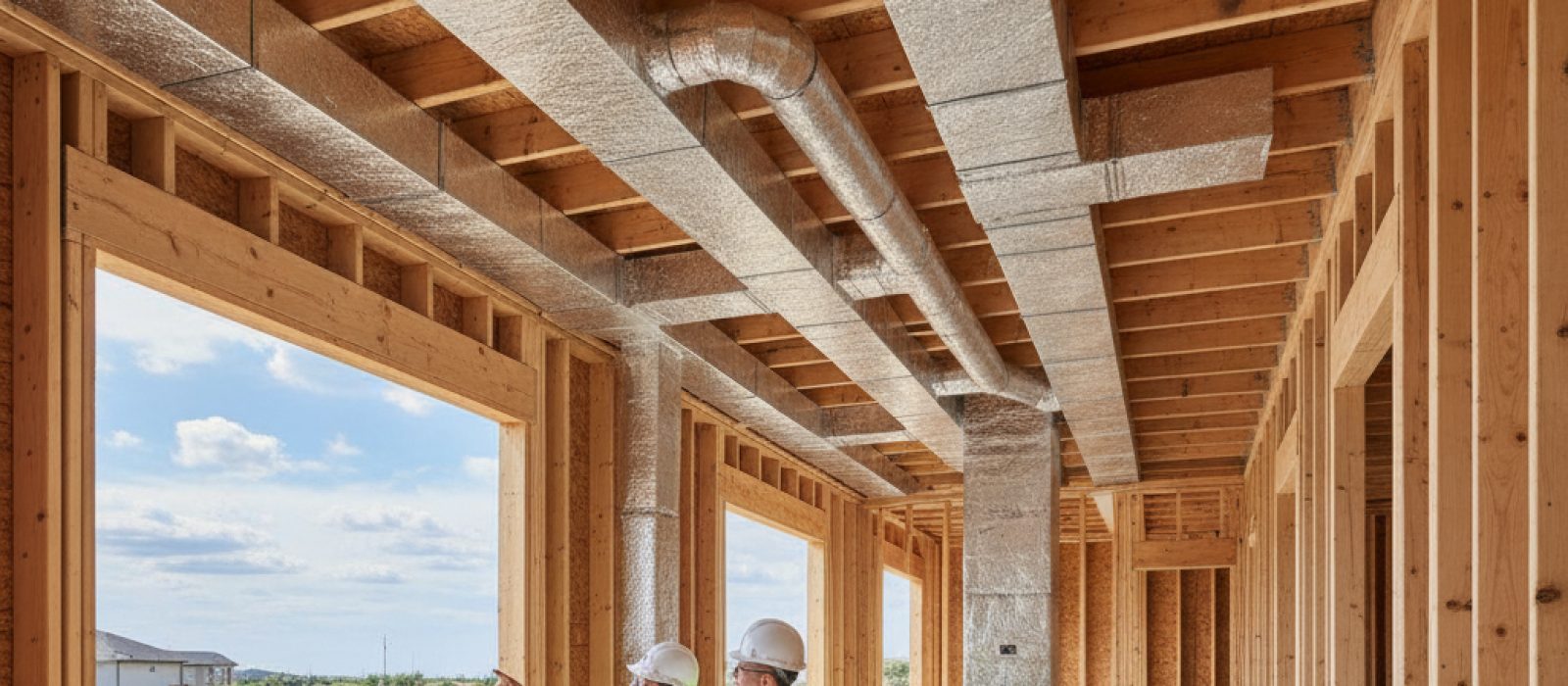
Ensure long-term comfort and efficiency by asking the right questions about your home's ductwork design during the new construction process.
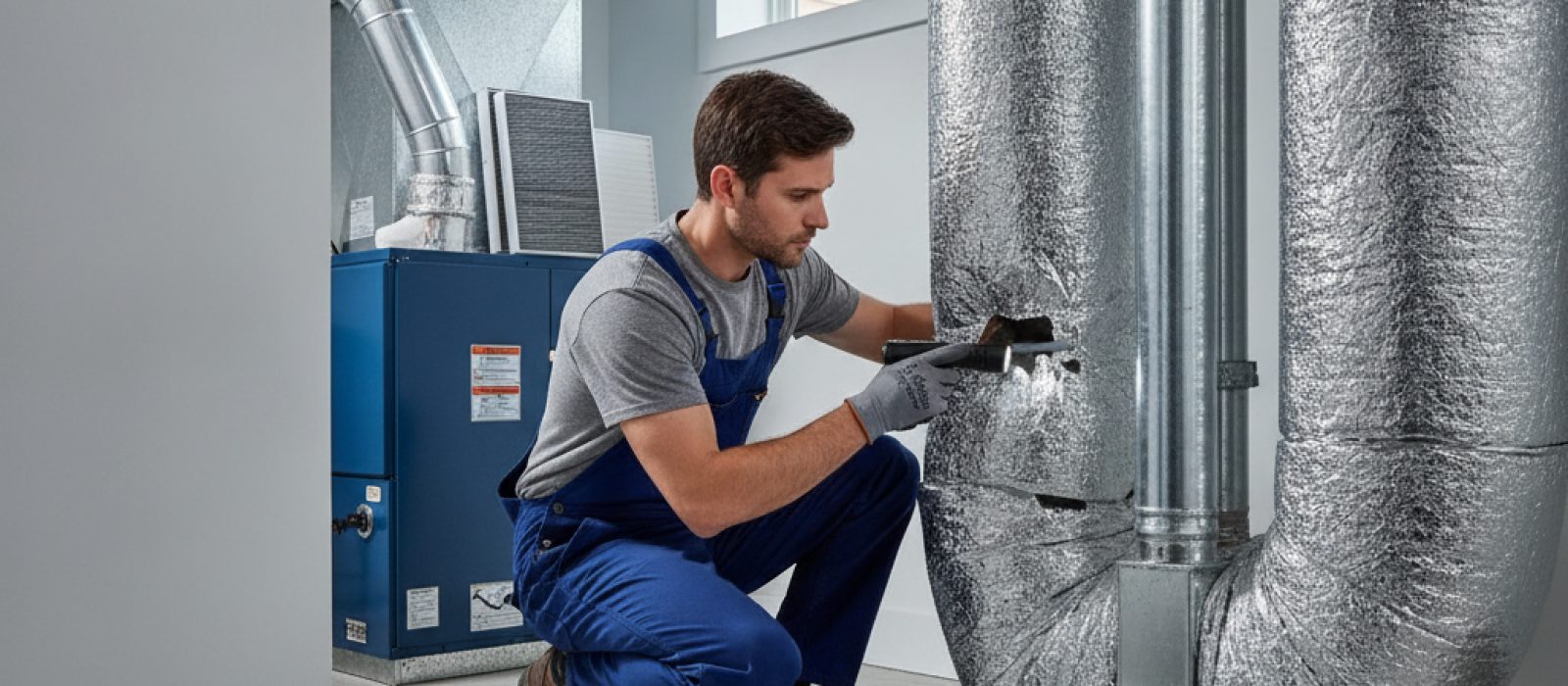
Discover the signs of rodent infestation in your HVAC system and learn how to identify, address, and prevent pest issues in your ductwork.
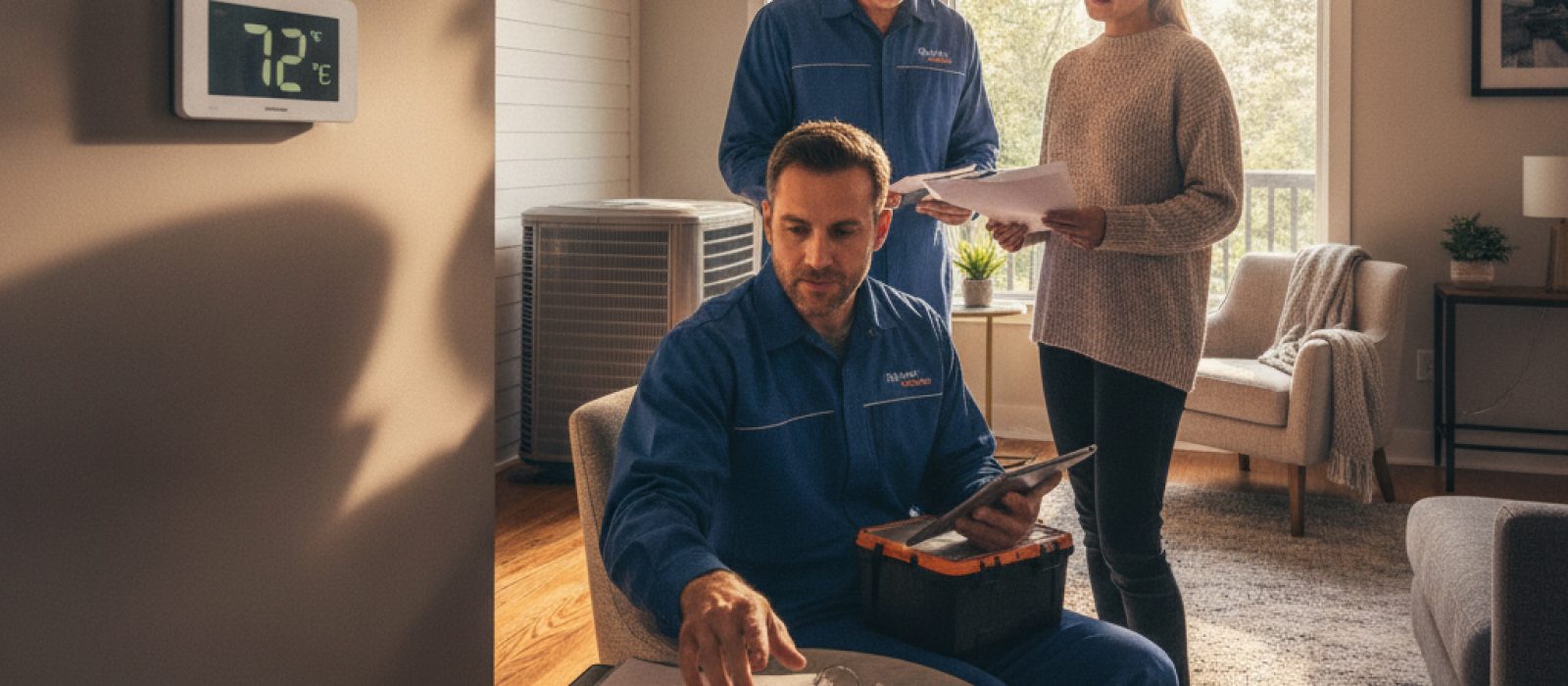
Learn why maintaining a detailed history of your HVAC service records protects your warranty, boosts resale value, and ensures system longevity.
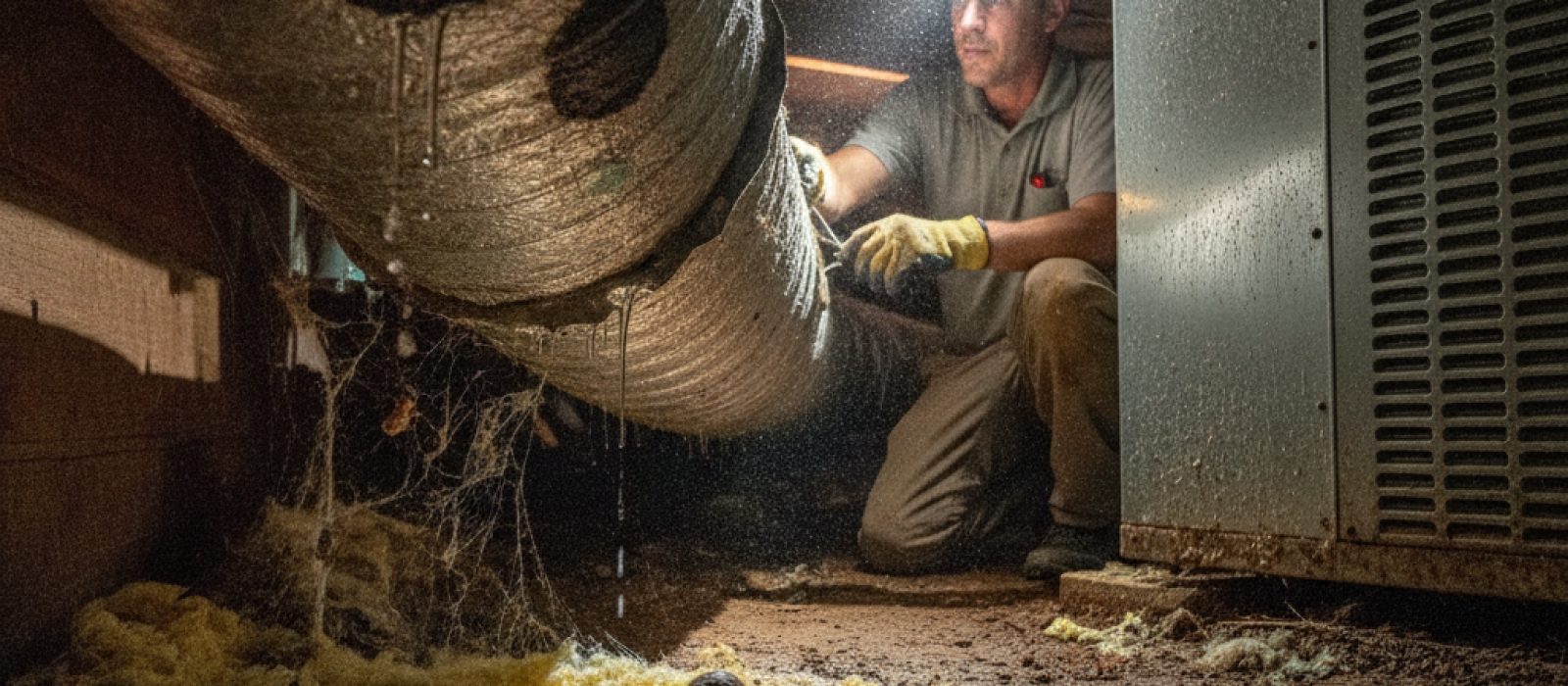
Learn how to identify and resolve common crawl space ductwork problems, including moisture buildup, pest intrusion, and damaged insulation.

Learn how upgrading or maintaining your HVAC registers and grilles can optimize home comfort, improve efficiency, and protect your indoor air quality.
Be the first to comment.