
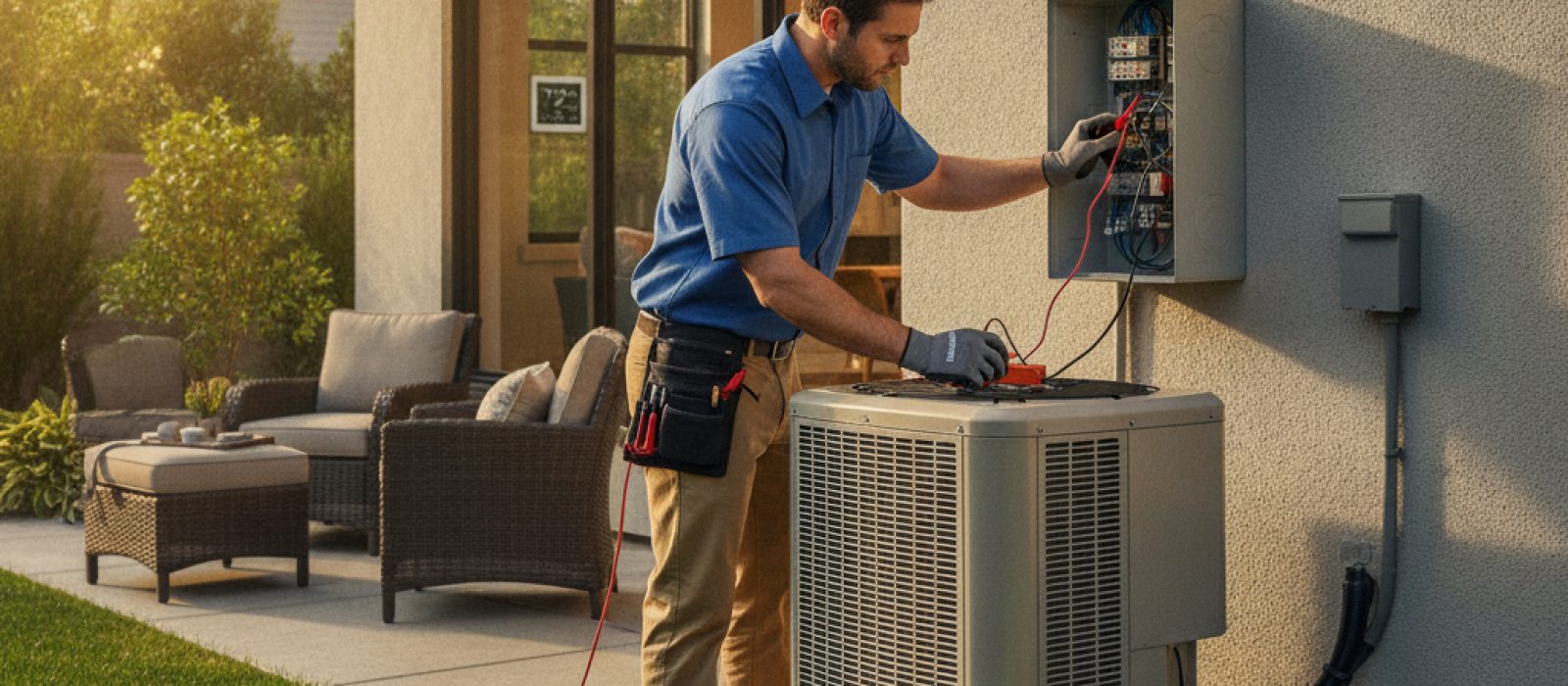
HVAC Disconnect Box: What It Is and Why It Matters
Learn the function of the HVAC disconnect box, why it is vital for safety, and how to identify when this critical component requires professional attention.
3 min read

Your thermostat isn't just a fancy display on your wall; it's the central command unit for your entire heating and cooling system. It reads the temperature in your home and tells your furnace or air conditioner when to turn on and off to maintain your desired comfort level. When your thermostat isn't working correctly, it can lead to uncomfortable temperatures, higher energy bills, and unnecessary wear and tear on your HVAC equipment. So, how can you tell if this crucial component is doing its job?
Keeping an eye out for these indicators can help you catch thermostat issues early:
Before calling in the professionals, here are a few things you can check yourself:
If you've gone through these basic checks and your thermostat is still acting up, it's time to call a qualified HVAC technician. A professional can:
Ignoring thermostat issues can lead to discomfort, wasted energy, and potentially more serious problems for your entire HVAC system. A well-functioning thermostat is key to maintaining a comfortable, energy-efficient home year-round.
Learn the function of the HVAC disconnect box, why it is vital for safety, and how to identify when this critical component requires professional attention.
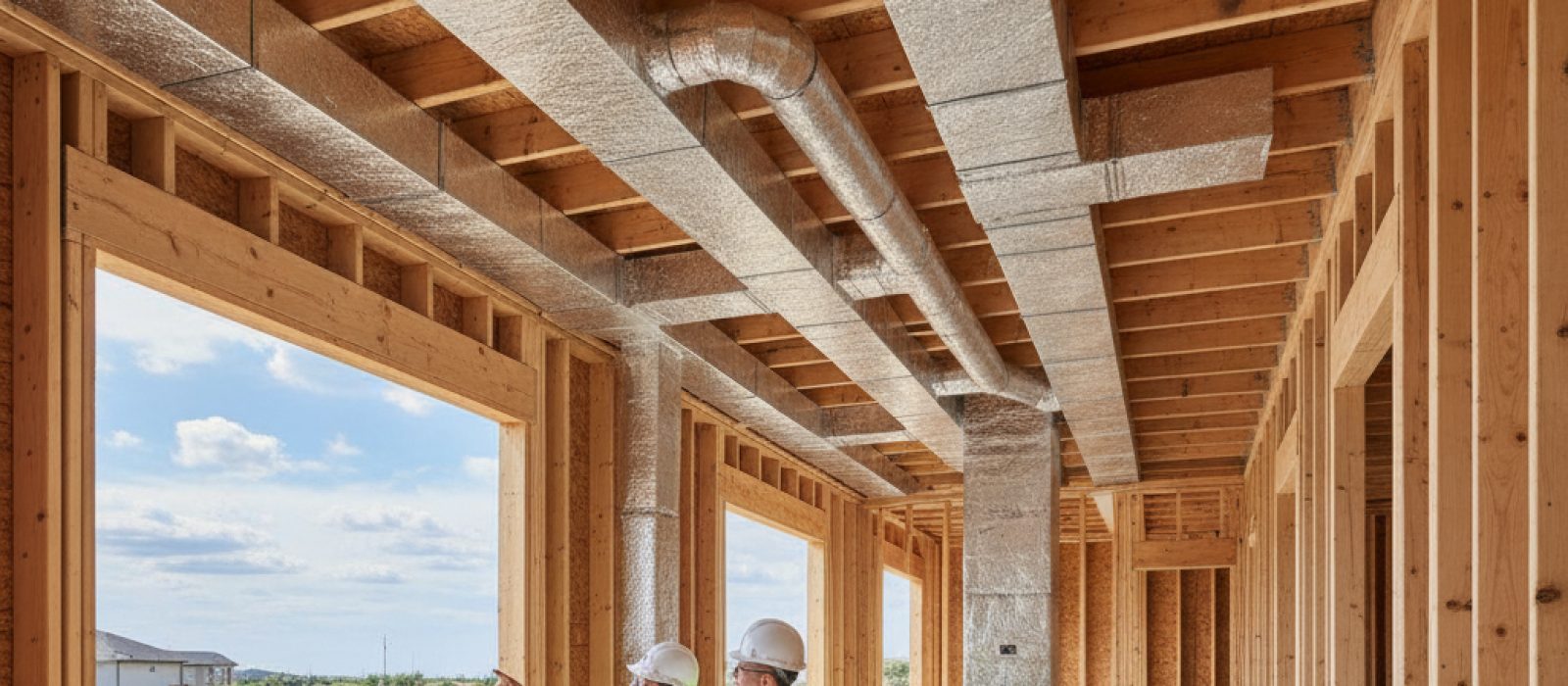
Ensure long-term comfort and efficiency by asking the right questions about your home's ductwork design during the new construction process.
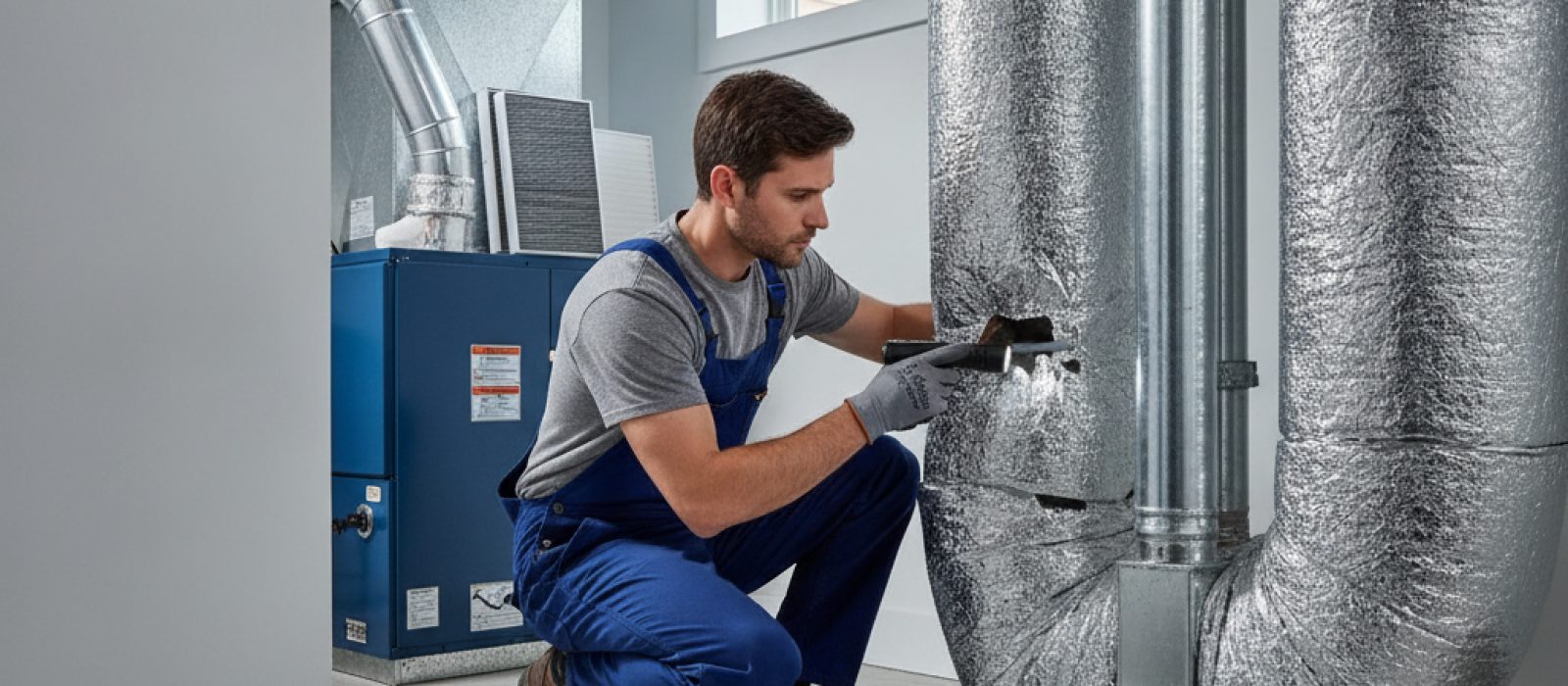
Discover the signs of rodent infestation in your HVAC system and learn how to identify, address, and prevent pest issues in your ductwork.
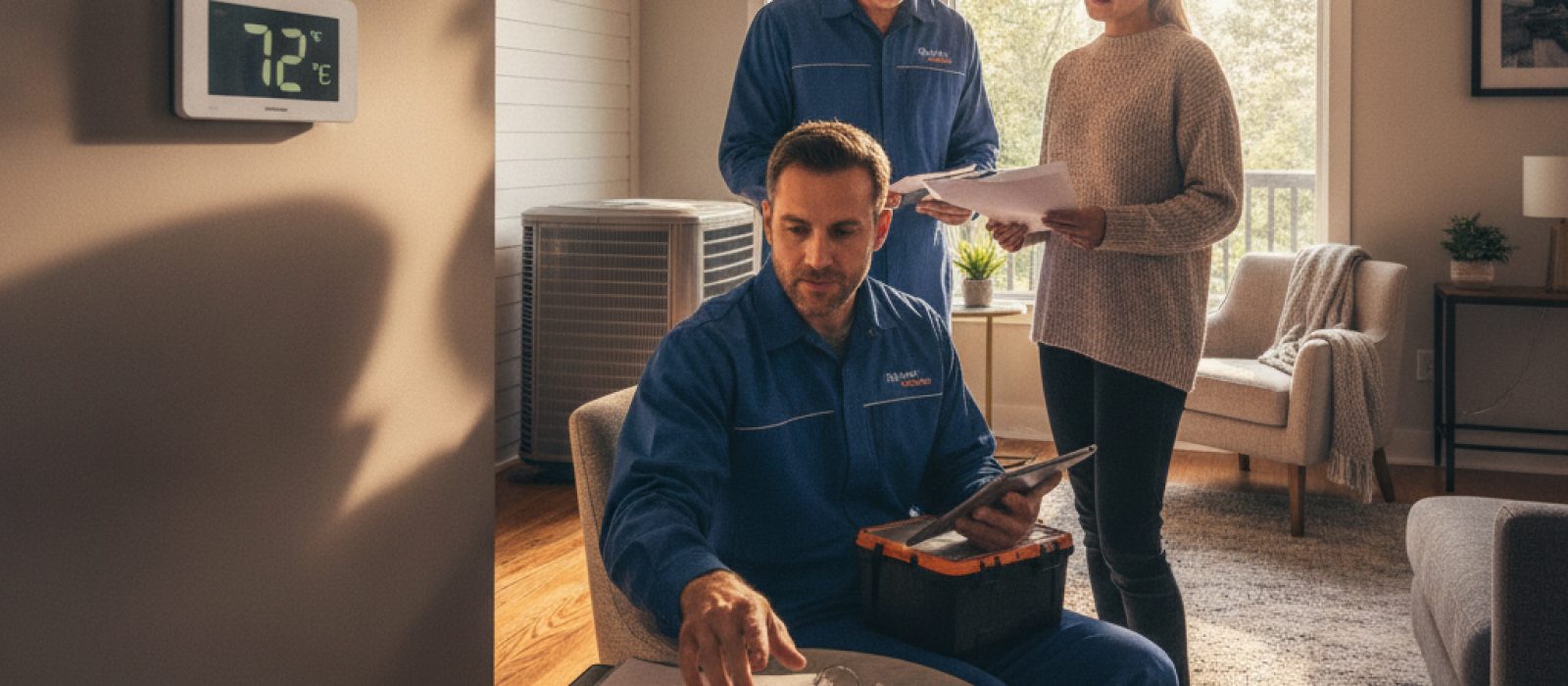
Learn why maintaining a detailed history of your HVAC service records protects your warranty, boosts resale value, and ensures system longevity.
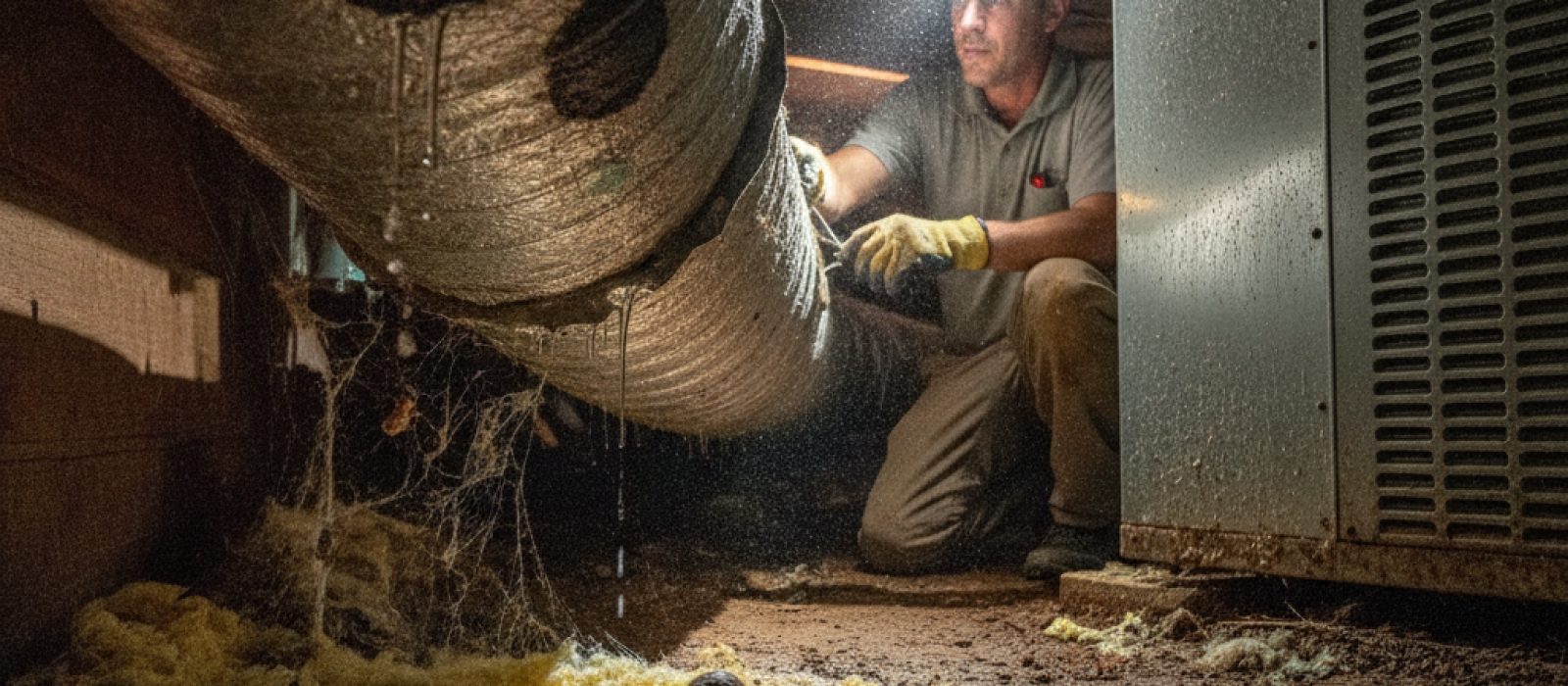
Learn how to identify and resolve common crawl space ductwork problems, including moisture buildup, pest intrusion, and damaged insulation.
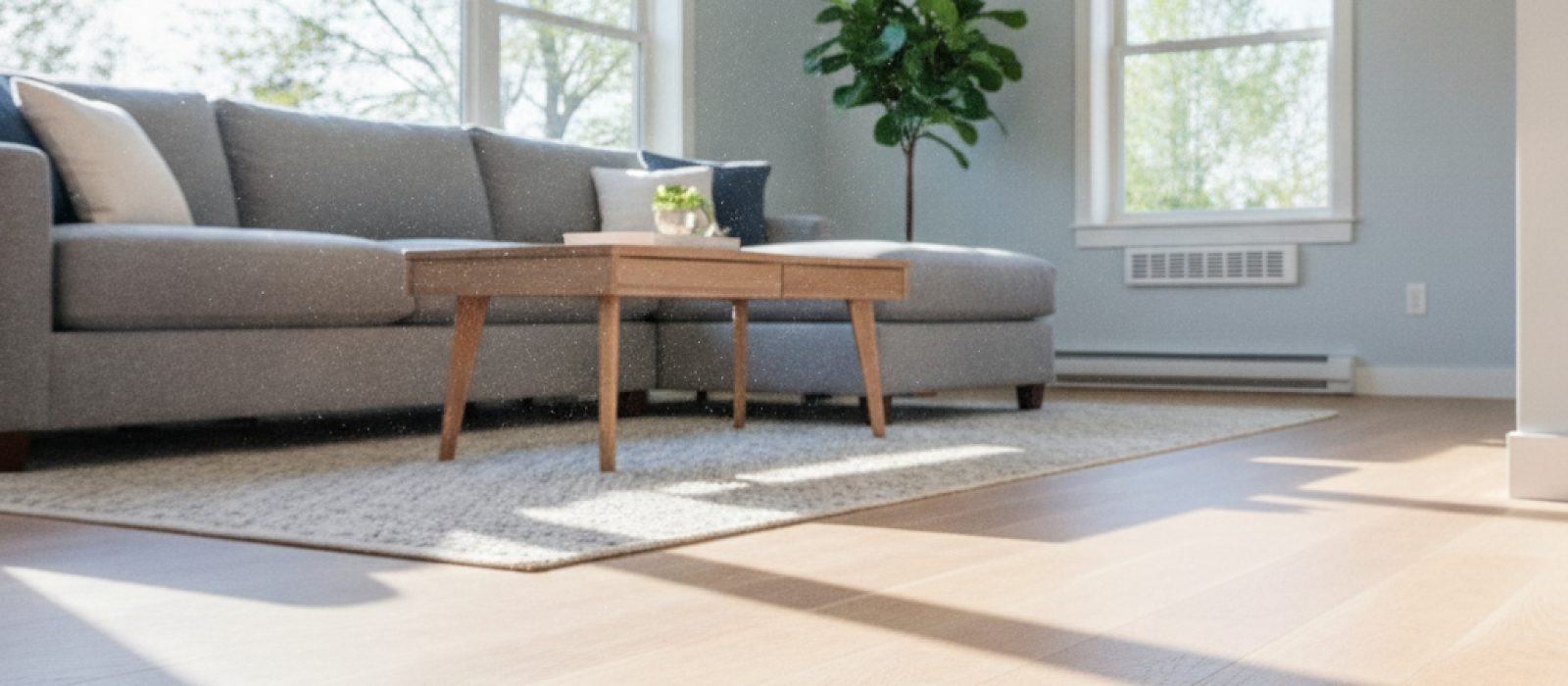
Learn how upgrading or maintaining your HVAC registers and grilles can optimize home comfort, improve efficiency, and protect your indoor air quality.
Be the first to comment.