
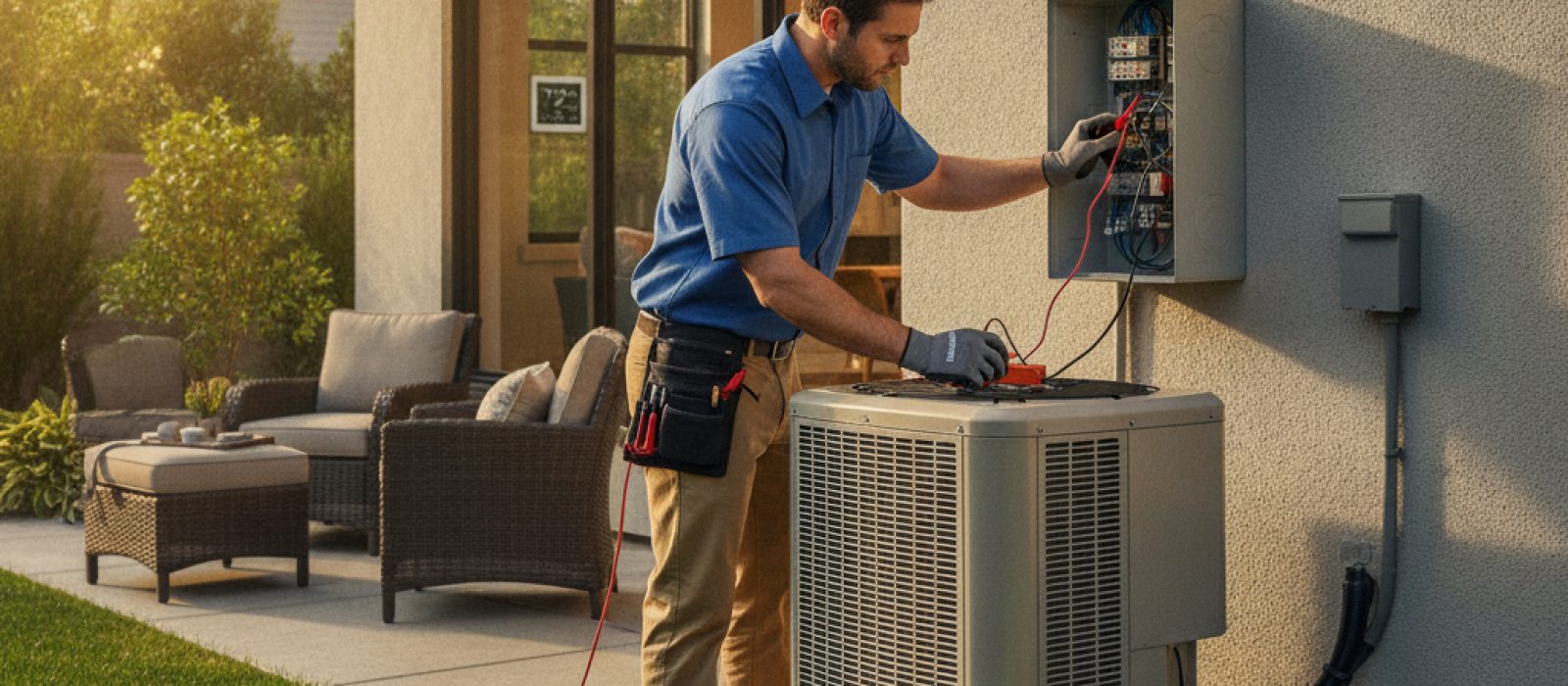
HVAC Disconnect Box: What It Is and Why It Matters
Learn the function of the HVAC disconnect box, why it is vital for safety, and how to identify when this critical component requires professional attention.
4 min read

An outdoor HVAC condenser unit is designed to operate on a perfectly level plane. While it may appear that a slight tilt is merely an aesthetic concern, a condenser that is not level can lead to significant mechanical issues over time. Proper positioning is a fundamental requirement of professional Maintenance & Tune-up procedures, ensuring that the internal components function as the manufacturer intended.
When a unit sits at an angle, the internal compressor—the heart of the cooling system—is subjected to uneven stress. Compressors are precision-engineered devices that rely on specific oil distribution to remain lubricated. A persistent tilt can cause oil to pool in one side of the compressor housing, leading to poor lubrication of internal bearings and mechanical parts. This increased friction often results in premature wear, higher energy consumption, and eventually, total system failure.
Refrigerant lines are sensitive to the orientation of the unit. Modern cooling systems utilize refrigerant to transfer heat from the indoors to the outdoors. When a condenser is tilted, the flow of refrigerant through the coils can be disrupted, potentially causing the system to work harder than necessary to achieve the desired cooling effect. This inefficiency places an extra burden on the entire cooling cycle.
Beyond the refrigerant lines, drainage is a primary concern. Outdoor units are built to manage moisture, often through integrated drainage holes designed to allow condensation or rainwater to escape the base pan. If the unit tilts away from these drainage points, water can pool at the bottom of the cabinet. This standing water can lead to several problems:
Outdoor units typically rest on a concrete pad or a composite mounting base. Over time, the soil beneath this pad may settle, wash away due to improper gutter drainage, or shift due to seasonal freeze-thaw cycles. This gradual movement is the most common reason homeowners notice their units tilting.
If you notice the ground surrounding your unit is eroding, address the drainage issues around your home first. Water runoff from roof downspouts or nearby garden irrigation can soften the earth under the condenser pad, causing it to sink. Ensuring that the soil is properly graded away from the foundation is a key aspect of broader AC Services that should be performed regularly to protect your equipment.
While a homeowner can identify a tilted unit, correcting the issue often involves lifting the heavy cabinet. Due to the weight of the unit and the presence of critical electrical and refrigerant lines, this is not a task for the average DIY enthusiast. Attempting to lift or shift the unit without disconnecting the power or accounting for the fragile copper refrigerant lines can lead to dangerous leaks or electrical hazards.
If you suspect your unit is not level, contact a professional to perform a site assessment. A technician can safely disconnect the power, stabilize the unit, and add a leveling base or professional-grade support shims to restore the proper orientation. They will also inspect the electrical connections and refrigerant lines to ensure that the shift has not compromised the structural integrity of the system. This check is often included during routine Maintenance & Tune-up visits.
Once the unit is leveled, focus on preventative measures to keep it that way. Keep the area around the pad clear of debris and ensure that vegetation does not grow under the pad, as root systems can push the concrete out of alignment. Regularly inspecting the pad during your seasonal Maintenance & Tune-up schedule allows you to catch minor settling before it becomes a major mechanical problem.
If the ground continues to shift despite your efforts, a technician might suggest a more robust mounting solution, such as a raised equipment stand or a larger, reinforced concrete slab. These solutions provide a more stable foundation that resists the shifting soil common in certain geographic regions. By addressing these foundational issues, you protect your investment and ensure that your system continues to provide reliable cooling throughout the summer months.
Learn the function of the HVAC disconnect box, why it is vital for safety, and how to identify when this critical component requires professional attention.

Ensure long-term comfort and efficiency by asking the right questions about your home's ductwork design during the new construction process.
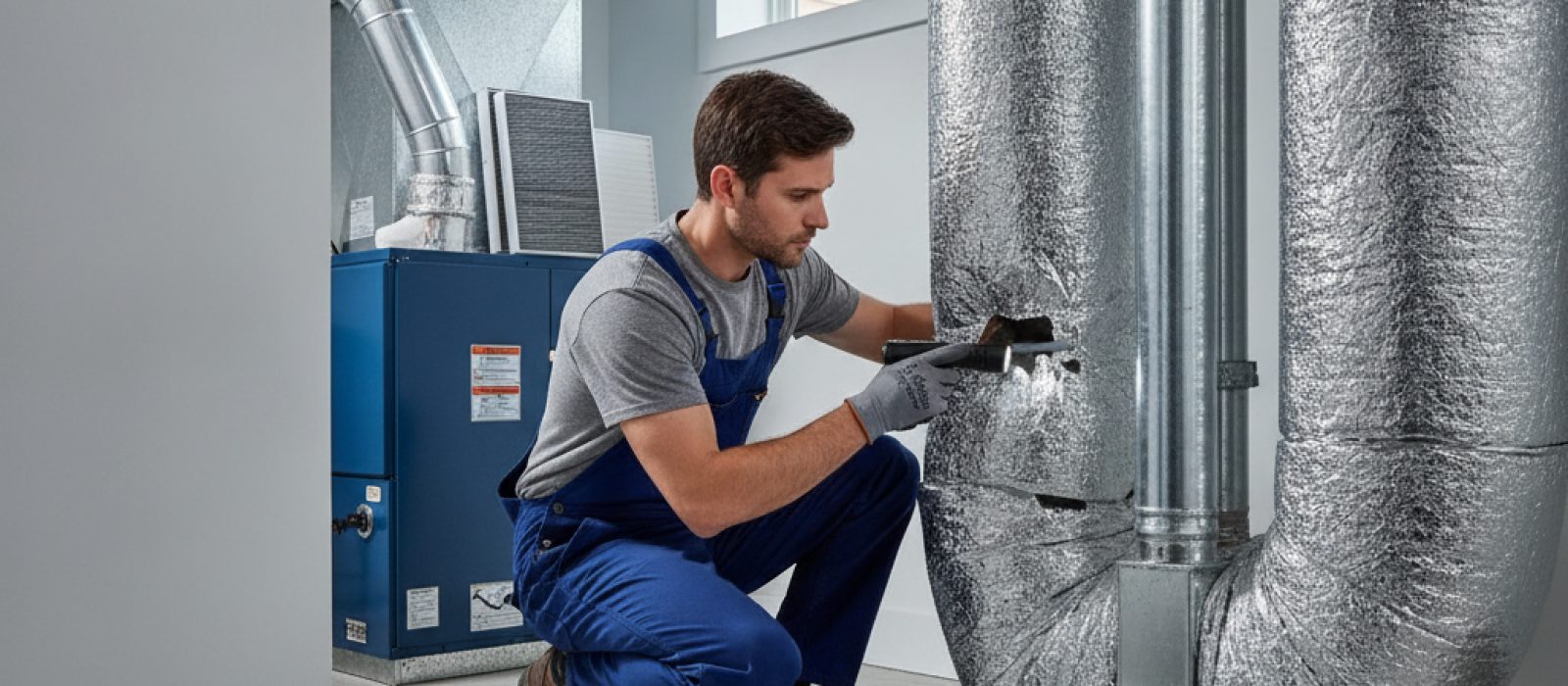
Discover the signs of rodent infestation in your HVAC system and learn how to identify, address, and prevent pest issues in your ductwork.
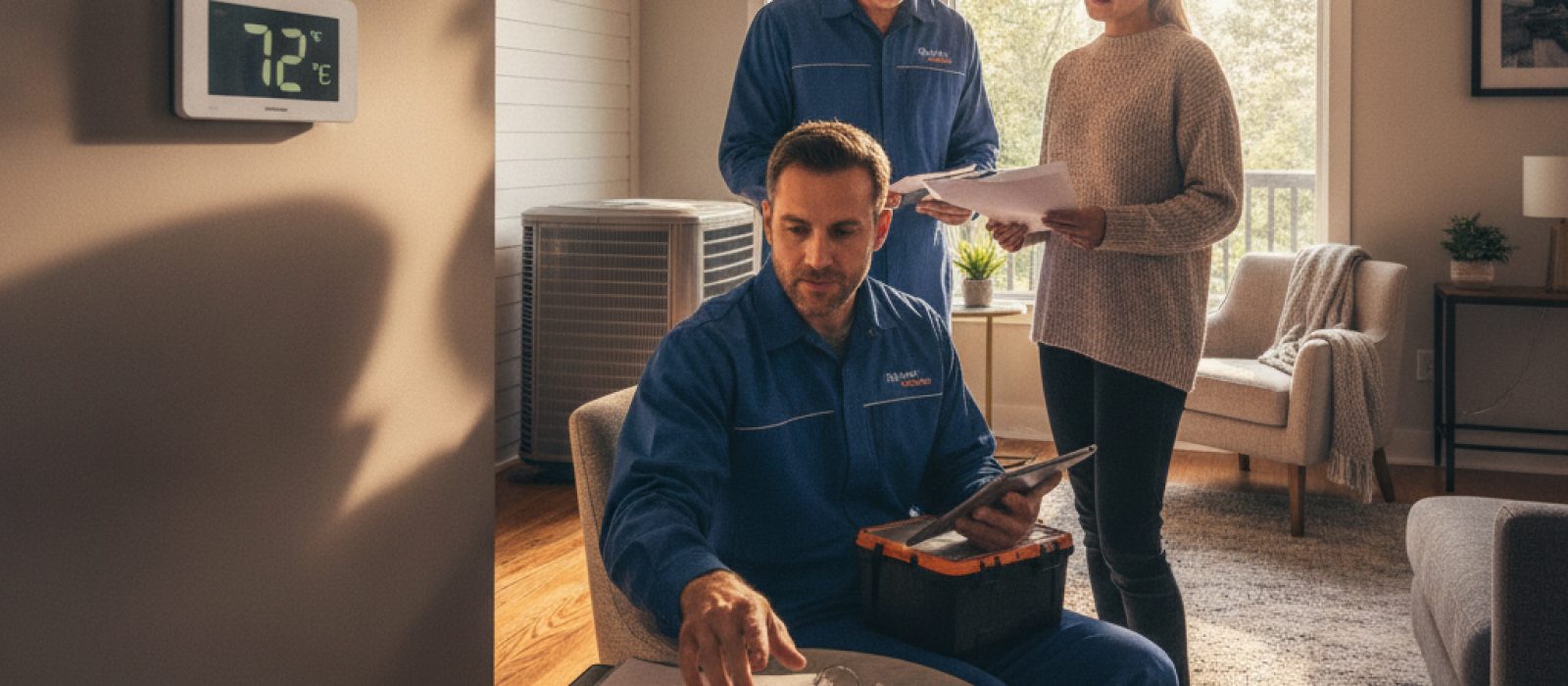
Learn why maintaining a detailed history of your HVAC service records protects your warranty, boosts resale value, and ensures system longevity.
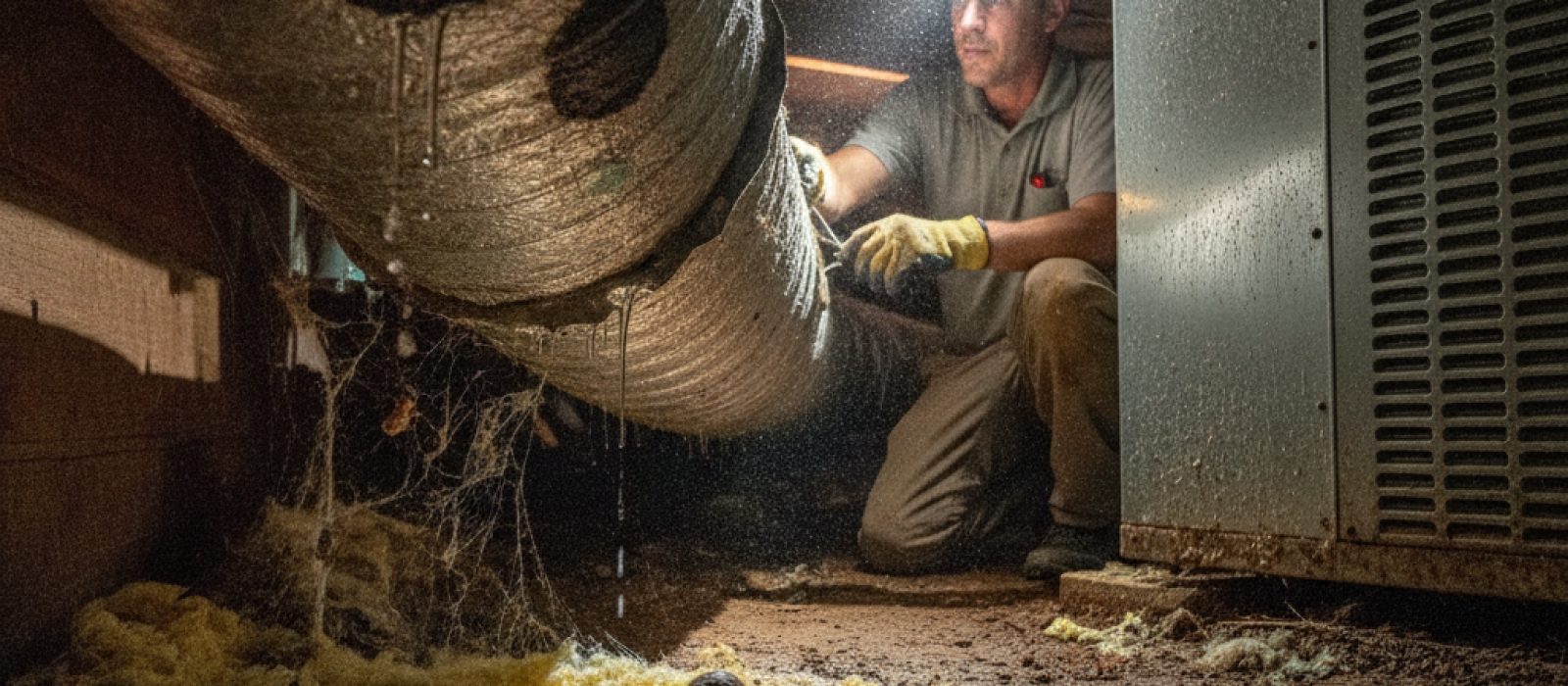
Learn how to identify and resolve common crawl space ductwork problems, including moisture buildup, pest intrusion, and damaged insulation.

Learn how upgrading or maintaining your HVAC registers and grilles can optimize home comfort, improve efficiency, and protect your indoor air quality.
Be the first to comment.