
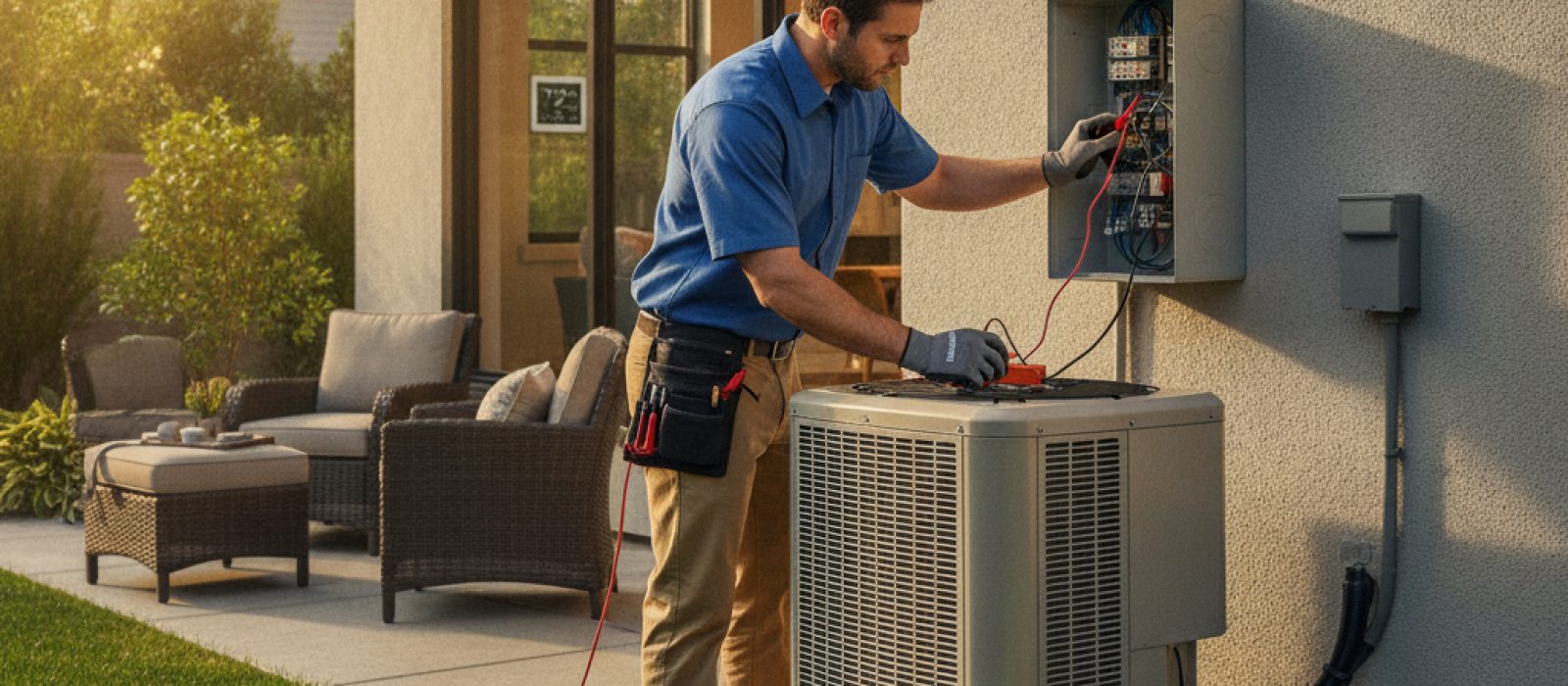
HVAC Disconnect Box: What It Is and Why It Matters
Learn the function of the HVAC disconnect box, why it is vital for safety, and how to identify when this critical component requires professional attention.
4 min read

An outdoor HVAC unit is engineered to operate on a perfectly flat, stable surface. When the ground underneath a condenser shifts due to soil erosion, frost heave, or poor initial installation, the unit tilts. This deviation from level ground is not merely an aesthetic issue; it creates mechanical stress that can lead to premature system failure. Ensuring your unit remains level is a core component of professional Maintenance & Tune-up services, as it directly impacts the longevity of the compressor and the efficiency of the refrigerant cycle.
The primary concern with a tilted condenser involves the internal components, specifically the compressor and the fan motor. These parts are balanced to rotate within a specific tolerance. When the unit is tilted, the internal bearings experience uneven wear, which can lead to increased noise, vibration, and eventually, a total mechanical seizure. Furthermore, the oil circulating through the system is designed to return to the compressor sump; gravity plays a role in this process. If the unit is tilted, the oil may not return properly, leading to compressor starvation and overheating.
Refrigerant systems operate under precise pressures. A tilted unit can affect the way refrigerant flows through the coils, potentially leading to inefficient heat exchange. When the system struggles to shed heat effectively, it works harder and runs longer to achieve the desired indoor temperature. This increased runtime contributes to higher energy bills and places unnecessary strain on the entire system. Regular inspections as part of routine AC Services often catch these subtle shifts before they result in a system breakdown.
Before attempting to level the unit, it is necessary to understand why it moved. Common causes include:
If the underlying ground is unstable, simply propping up the unit with shims will only provide a temporary solution. The root cause of the shifting must be addressed to prevent the problem from recurring.
Homeowners must exercise caution when dealing with outdoor HVAC equipment. The unit is connected to high-voltage electricity and sensitive refrigerant lines. Attempting to lift or move the unit without disconnecting power or disconnecting the refrigerant lines—which should only be performed by a licensed technician—can result in electrical shock or the illegal release of refrigerant into the atmosphere.
If the unit needs to be lifted to level the pad, a professional technician will typically use specialized equipment to safely raise the unit without kinking or breaking the copper lines. For those enrolled in comprehensive Maintenance & Tune-up programs, technicians often check the stability of the pad during each visit. If your unit has shifted significantly, it is best to contact a provider of AC Services to assess whether the pad needs to be replaced or if the soil requires stabilization.
If the tilt is minor and the pad is stable, a homeowner may be able to use composite shims to level the unit. It is vital to use non-rotting, weather-resistant materials for this process. Avoid using wood or other organic materials that will degrade over time. Ensure the unit is powered off at the exterior disconnect box before performing any work near the base of the cabinet. Use a carpenter's level on the top or sides of the unit to verify that it is truly flat, and ensure that the shims are placed securely under the pad, not the unit's cabinet itself. If the cabinet is not sitting flush on the pad, you may need professional assistance to ensure the structural integrity of the housing is not compromised.
To prevent future settling, consider the drainage around your home. Ensure that downspouts are directed away from the condenser pad. If the area is consistently wet, adding a layer of crushed stone or installing a French drain can help keep the soil beneath the unit dry and firm. Keeping the area around the condenser clear of vegetation and debris also allows for better airflow and easier access for Maintenance & Tune-up visits, which helps professionals identify potential issues before they cause damage.
Learn the function of the HVAC disconnect box, why it is vital for safety, and how to identify when this critical component requires professional attention.

Ensure long-term comfort and efficiency by asking the right questions about your home's ductwork design during the new construction process.
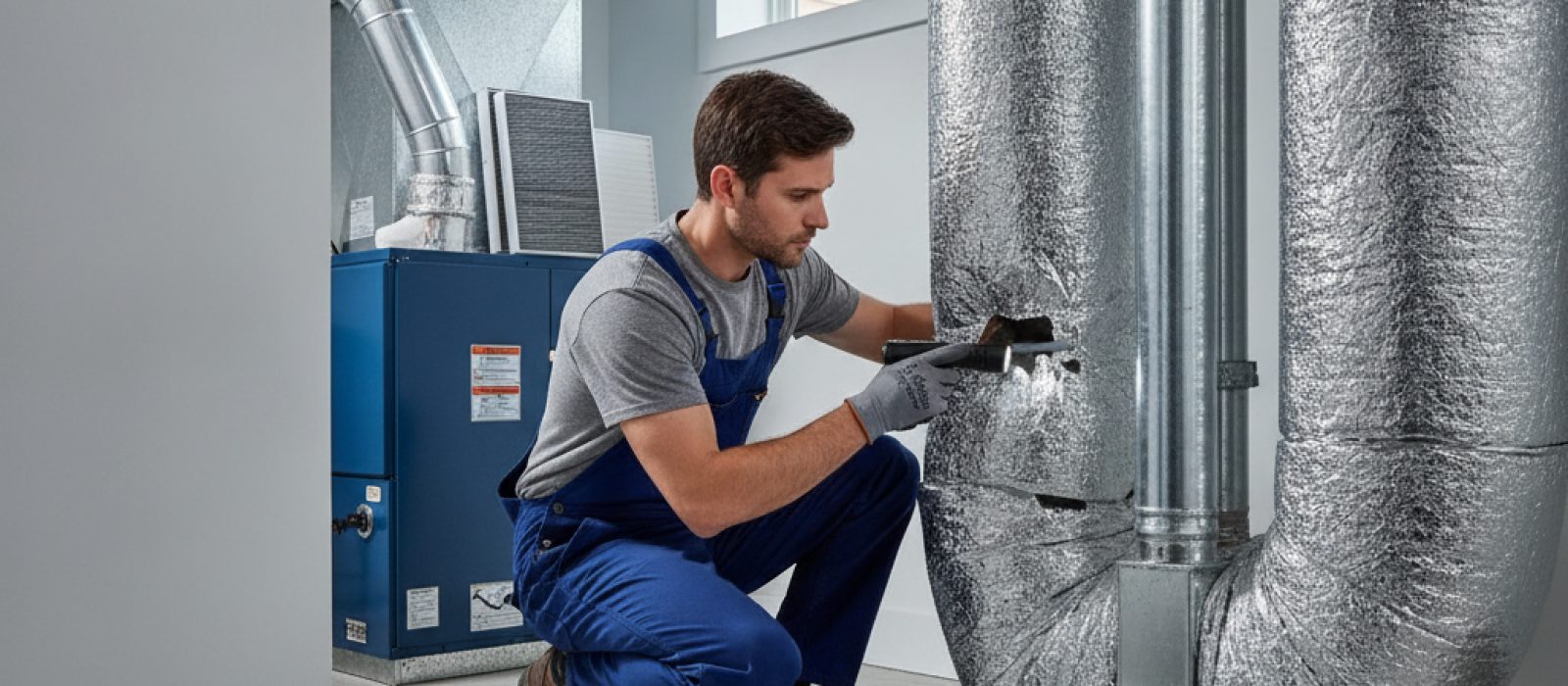
Discover the signs of rodent infestation in your HVAC system and learn how to identify, address, and prevent pest issues in your ductwork.
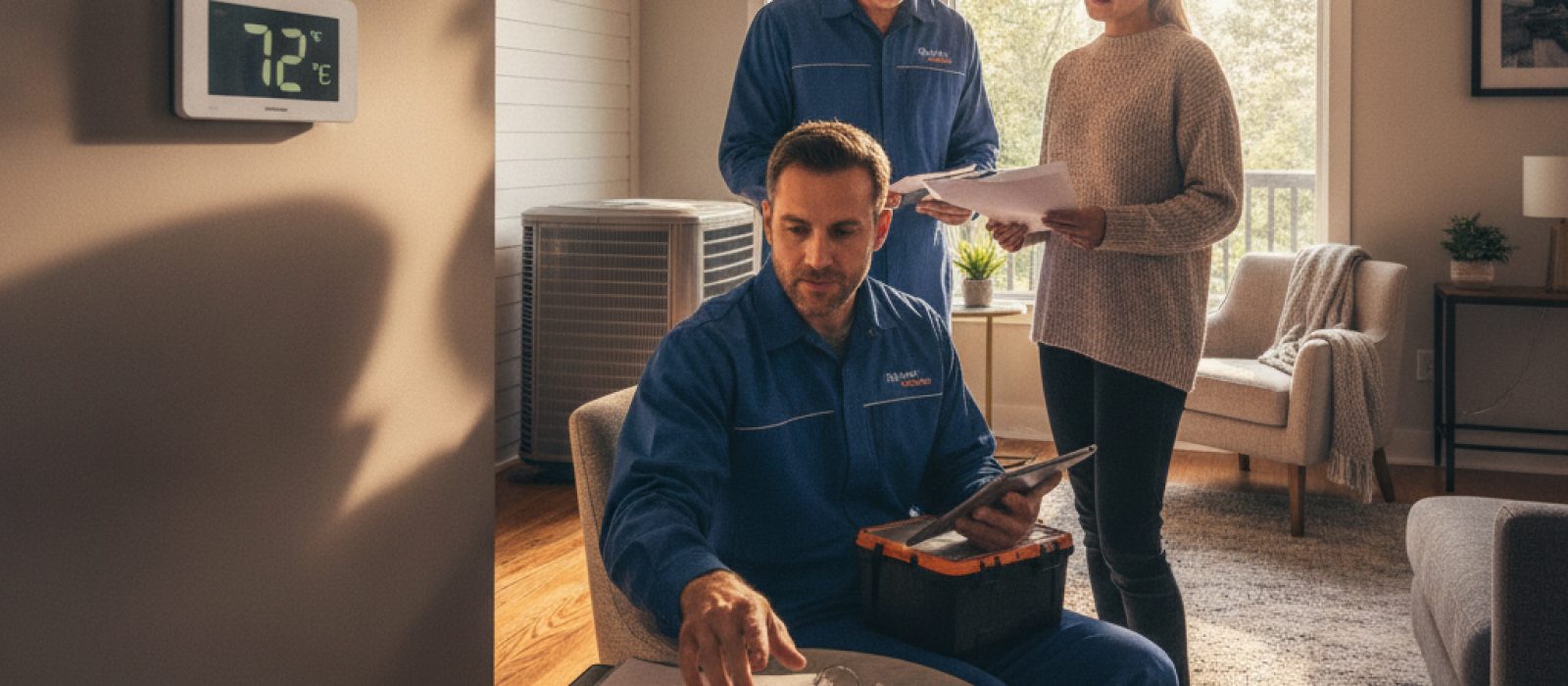
Learn why maintaining a detailed history of your HVAC service records protects your warranty, boosts resale value, and ensures system longevity.
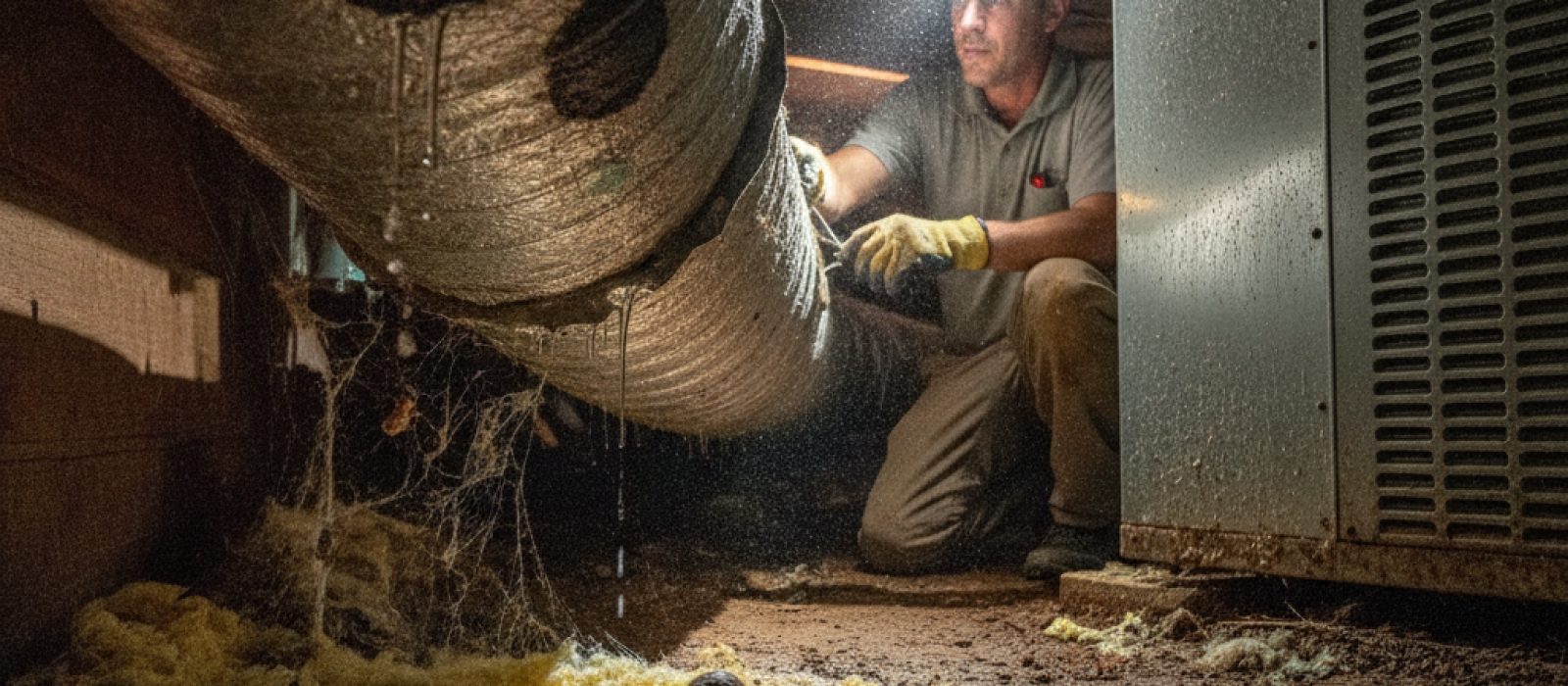
Learn how to identify and resolve common crawl space ductwork problems, including moisture buildup, pest intrusion, and damaged insulation.

Learn how upgrading or maintaining your HVAC registers and grilles can optimize home comfort, improve efficiency, and protect your indoor air quality.
Be the first to comment.