HVAC Service Fast

Seasonal HVAC Maintenance: Your Spring & Fall Checklist

4 min read

Seasonal HVAC Maintenance: Your Spring & Fall Checklist

The Importance of Seasonal HVAC Maintenance

As a homeowner, you rely on your HVAC system to keep your indoor environment comfortable, no matter the weather outside. From sweltering summer days to frigid winter nights, your heating and cooling system works tirelessly. But like any complex machinery, it needs regular attention to perform optimally. Seasonal maintenance, specifically in the spring and fall, isn't just a suggestion – it's a critical investment in your home's comfort, air quality, and energy efficiency.

Think of it this way: you wouldn't drive your car thousands of miles without an oil change, would you? Your HVAC system is no different. Neglecting it can lead to higher energy bills, frequent breakdowns, costly repairs, and even a shortened lifespan for the entire unit. By scheduling professional tune-ups twice a year, you're proactively addressing potential issues before they become major problems.

Spring HVAC Maintenance: Preparing for the Heat

As winter's chill fades and the warmer months approach, your air conditioning system is about to take center stage. Spring maintenance focuses on ensuring your AC unit is ready to handle the summer heat efficiently and reliably.

What Your HVAC Professional Will Do (Spring Checklist):

  • Inspect and Clean Coils: The evaporator and condenser coils can accumulate dirt and debris, reducing their ability to absorb and release heat. Cleaning them improves efficiency.
  • Check Refrigerant Levels: Low refrigerant can indicate a leak and significantly reduce cooling capacity, forcing your system to work harder.
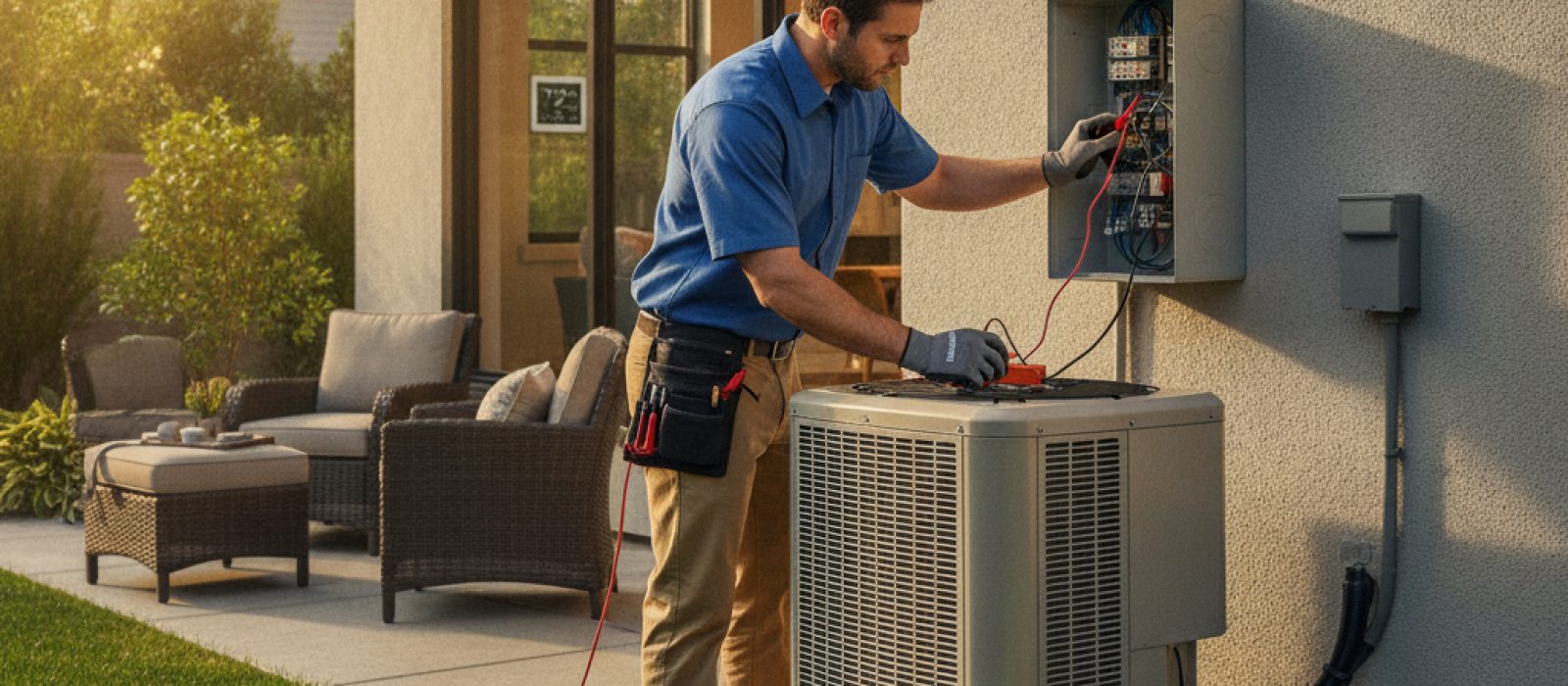
  • Inspect Electrical Connections: Loose or corroded wiring can be a fire hazard and lead to system malfunctions.
  • Lubricate Moving Parts: Proper lubrication reduces friction, preventing wear and tear on motors and extending their lifespan.
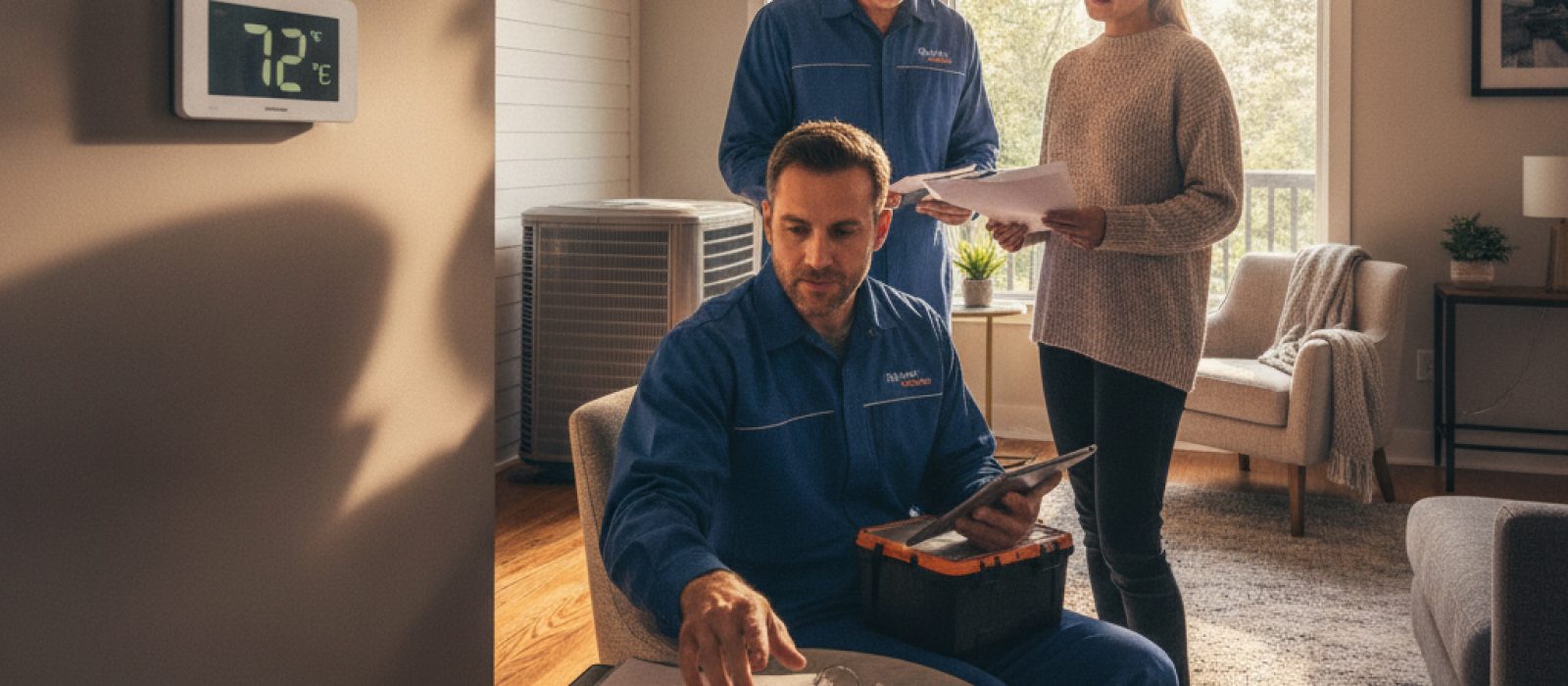
  • Verify Thermostat Operation: Ensuring your thermostat is accurate and functioning correctly is vital for efficient temperature control.
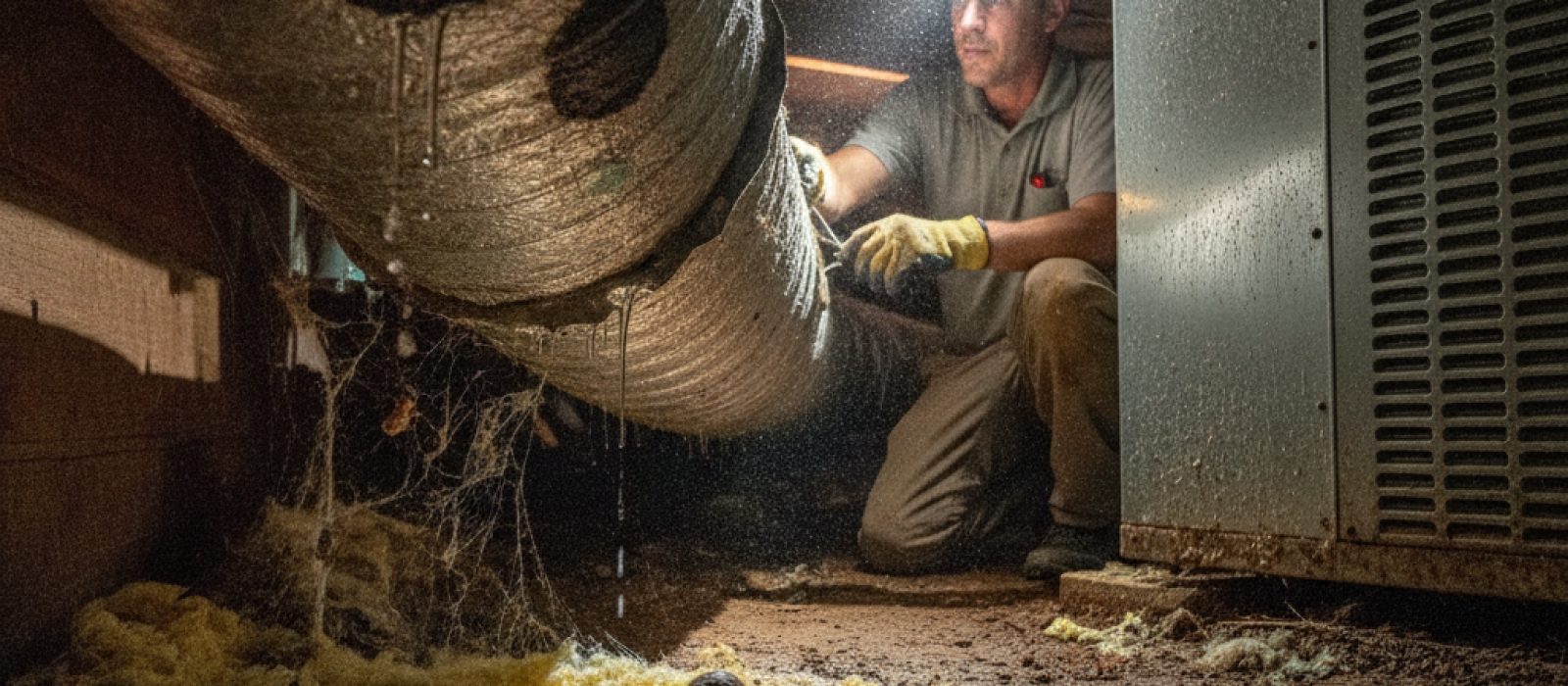
  • Inspect and Clean Condensate Drain: A clogged drain can lead to water damage and increased humidity.
  • Check Blower Components: Proper airflow is essential for both heating and cooling.
  • Measure Airflow: Ensuring adequate airflow across the evaporator coil.
  • Test Safety Controls: Confirming all safety features are operational.
  • Clean Outdoor Unit: Removing leaves, dirt, and other obstructions from around the condenser unit allows for proper heat dissipation.

Beyond these professional checks, homeowners should also make sure to replace their air filter every 1-3 months, especially during peak usage seasons. A clean filter improves air quality and system efficiency.

Fall HVAC Maintenance: Gearing Up for the Cold

When autumn leaves begin to fall, it's time to shift focus to your heating system. Fall maintenance ensures your furnace or heat pump is prepared to deliver consistent warmth throughout the colder months, safely and efficiently.

What Your HVAC Professional Will Do (Fall Checklist):

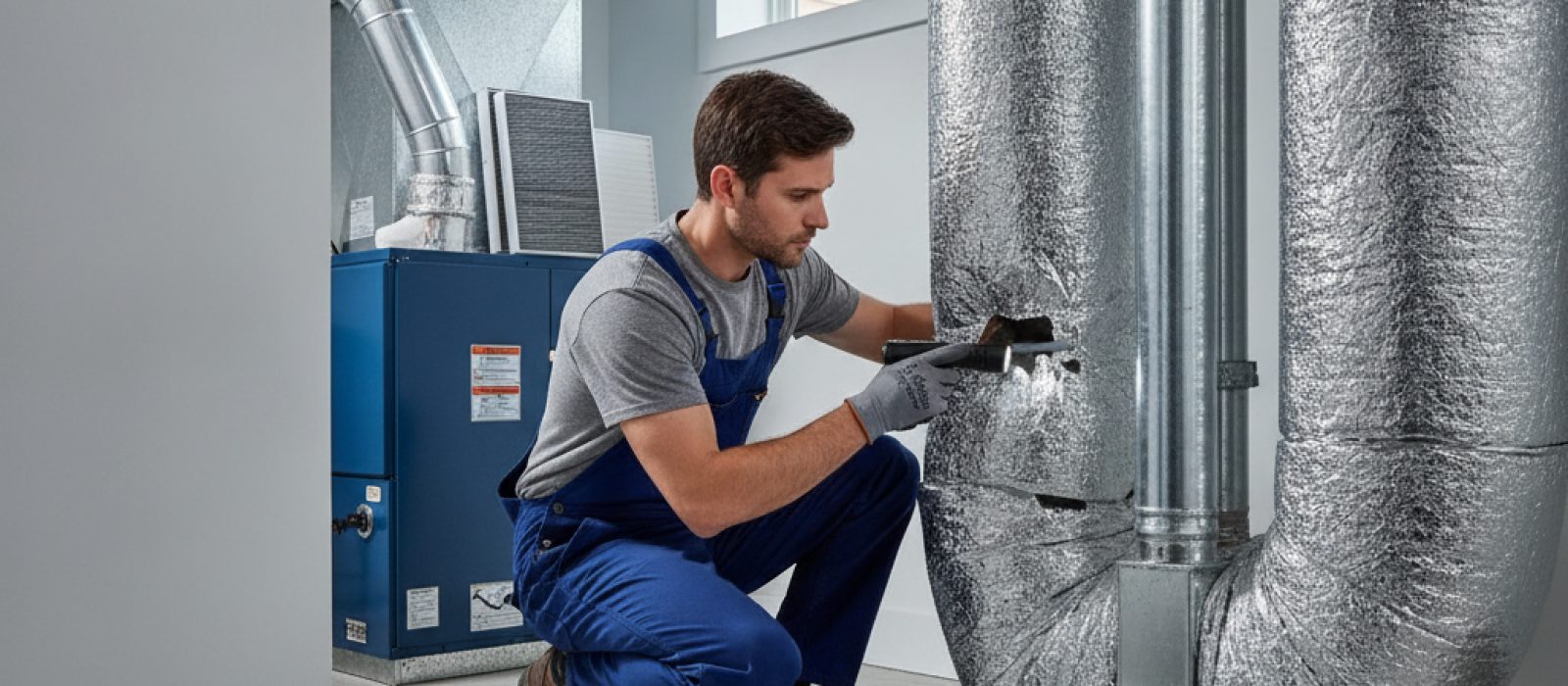
  • Inspect Heat Exchanger: This is a critical safety check for gas furnaces, looking for cracks or corrosion that could lead to carbon monoxide leaks.
  • Check Burners and Ignition System: Ensuring proper ignition and a clean, efficient burn is crucial for gas furnaces.
  • Test Safety Controls: Verifying that all safety mechanisms, such as the limit switch and flame sensor, are working correctly.
  • Inspect Flue System: For gas furnaces, proper venting of combustion gases is essential for safety.
  • Check Gas Pressure: Ensuring the correct gas pressure for optimal furnace operation.
  • Examine Electrical Connections: Just like in spring, checking for loose or corroded wiring is important for safe and reliable operation.
  • Lubricate Moving Parts: Reduces wear on motors and other components.
  • Verify Thermostat Calibration: Ensures accurate temperature readings and control for heating.
  • Inspect and Clean Blower Assembly: Ensures proper airflow throughout your home.
  • Measure Temperature Rise: Checking that the furnace is heating air to the correct temperature.

Again, homeowners should continue to regularly replace their air filter during the heating season to maintain good indoor air quality and system efficiency.

The Benefits of Regular Seasonal Maintenance

Investing in seasonal HVAC maintenance offers a multitude of benefits for you and your home:

  • Improved Energy Efficiency: A well-maintained system runs more efficiently, consuming less energy and leading to lower utility bills.
  • Extended System Lifespan: Regular tune-ups reduce wear and tear, helping your unit last longer.
  • Fewer Breakdowns: Proactive checks catch minor issues before they escalate into costly emergency repairs.
  • Enhanced Indoor Air Quality: Cleaning components and replacing filters contribute to cleaner air in your home.
  • Increased Comfort: An optimized system provides more consistent and reliable heating and cooling.
  • Warranty Protection: Many manufacturers require proof of regular maintenance to keep your warranty valid.
  • Enhanced Safety: Especially crucial for gas furnaces, checks for carbon monoxide leaks and electrical issues ensure your family's safety.

Don't wait for your HVAC system to break down before you give it attention. Be proactive with seasonal maintenance. Schedule your spring and fall tune-ups with a trusted professional today, and enjoy peace of mind knowing your home will stay comfortable all year long.

#Energy Efficiency #HVAC maintenance #home comfort #seasonal HVAC #spring HVAC #fall HVAC

Frequently asked questions

Why is seasonal HVAC maintenance important for homeowners?
Seasonal HVAC maintenance is crucial for maintaining indoor comfort, improving air quality, enhancing energy efficiency, preventing breakdowns, and extending the lifespan of your heating and cooling system.
What does spring HVAC maintenance typically involve?
Spring maintenance focuses on preparing your AC for warmer weather, including inspecting/cleaning coils, checking refrigerant levels, lubricating parts, verifying thermostat operation, and cleaning the outdoor unit.
What are the key aspects of fall HVAC maintenance?
Fall maintenance prepares your heating system for colder months by inspecting the heat exchanger, checking burners and ignition, testing safety controls, examining the flue system, and lubricating moving parts.
How often should I replace my HVAC air filter?
Homeowners should replace their HVAC air filter every 1-3 months, especially during peak usage seasons, to improve air quality and system efficiency.
Can neglecting HVAC maintenance lead to higher energy bills?
Yes, neglecting regular HVAC maintenance can lead to reduced efficiency, forcing your system to work harder and resulting in higher energy bills.
Is seasonal HVAC maintenance a DIY task or for professionals?
While homeowners can replace air filters and clean outdoor units, the detailed inspections and adjustments for both spring and fall maintenance are best performed by an HVAC professional.

Related articles

Comments (0)

Be the first to comment.

Leave a comment

Security code

Comments are moderated before they appear.