
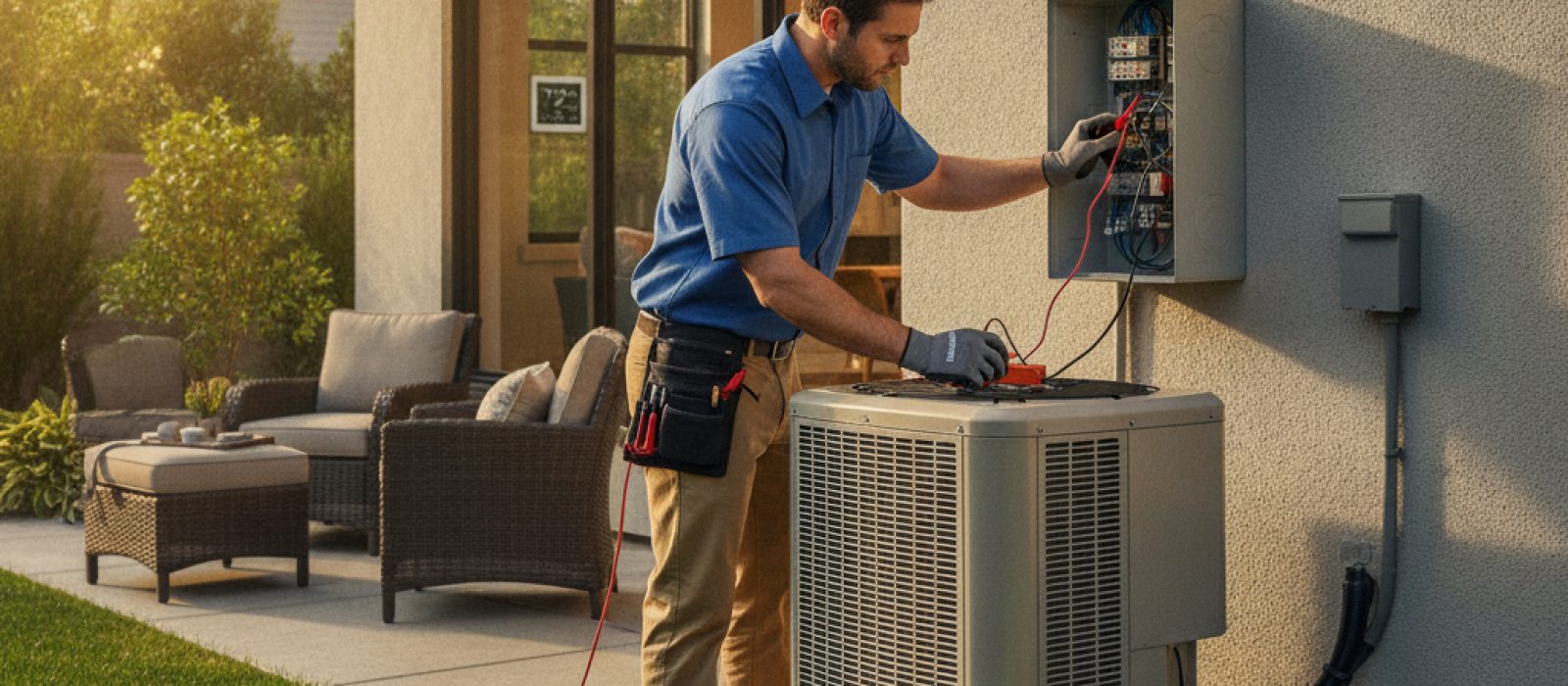
HVAC Disconnect Box: What It Is and Why It Matters
Learn the function of the HVAC disconnect box, why it is vital for safety, and how to identify when this critical component requires professional attention.
3 min read

Heat pumps naturally generate frost on the outdoor coil during cold weather operations. As the system extracts heat from the outside air, the coil temperature often drops below freezing, causing moisture in the air to condense and freeze onto the surface. This is a standard part of the refrigeration cycle.
To manage this, heat pumps utilize an automatic defrost cycle. When sensors detect significant frost buildup, the system briefly reverses its operation—switching into cooling mode while turning off the outdoor fan—to warm the coil and melt the ice. You may notice a puff of steam rising from the unit during this process, which is a normal byproduct of the melting frost.
While light frost is expected, thick, solid ice buildup indicates an underlying issue. If the entire outdoor coil becomes encased in a sheet of ice, or if ice begins to form on the fan blades or the interior cabinet, the system is failing to complete its defrost cycle effectively. Persistent ice accumulation restricts airflow, forcing the compressor to work harder and potentially leading to premature system failure.
Check for the following signs that your system requires professional intervention:
Several factors can prevent a heat pump from clearing ice properly. A common culprit is a malfunctioning defrost control board or a faulty temperature sensor, which prevents the system from initiating the cycle when needed. Additionally, low refrigerant levels can cause the coil to run colder than designed, leading to rapid and excessive ice formation.
External factors also play a significant role. If the unit is located directly under a roof eave without gutters, melting snow from the roof can drip onto the heat pump, refreezing into a solid block of ice that the defrost cycle cannot melt. Ensuring that your outdoor equipment is protected from falling ice and debris is a critical part of ongoing Maintenance & Tune-up practices.
Homeowners can perform basic visual inspections to ensure the unit is operating correctly. Start by ensuring the outdoor unit is clear of snow drifts and that the surrounding area is free of tall weeds or debris that could obstruct airflow. Proper airflow is essential for the efficiency of all Heat Pumps.
If you notice light frost, leave the unit alone; the system is designed to manage this autonomously. If you suspect an issue, you may check the thermostat settings to ensure the system has not been accidentally switched to an emergency heating mode that disables the defrost logic. Never attempt to chip away ice from the coils with a metal tool, as this can easily puncture the refrigerant lines and cause a serious leak.
If you observe solid ice buildup that persists after a full defrost cycle, turn the system to the emergency heat setting if available, or shut the unit off at the breaker and contact a professional for Heating Services. Attempting to force the system to run while heavily iced can damage the compressor, which is often the most expensive component in the system.
A technician will verify the integrity of the defrost sensors, check refrigerant pressures, and ensure that the contactors and relays are functioning within manufacturer specifications. Routine professional inspections are the most effective way to prevent these issues before they escalate into an Emergency HVAC situation. Addressing minor sensor issues early can prevent the need for more extensive repairs later in the winter season.
Learn the function of the HVAC disconnect box, why it is vital for safety, and how to identify when this critical component requires professional attention.

Ensure long-term comfort and efficiency by asking the right questions about your home's ductwork design during the new construction process.
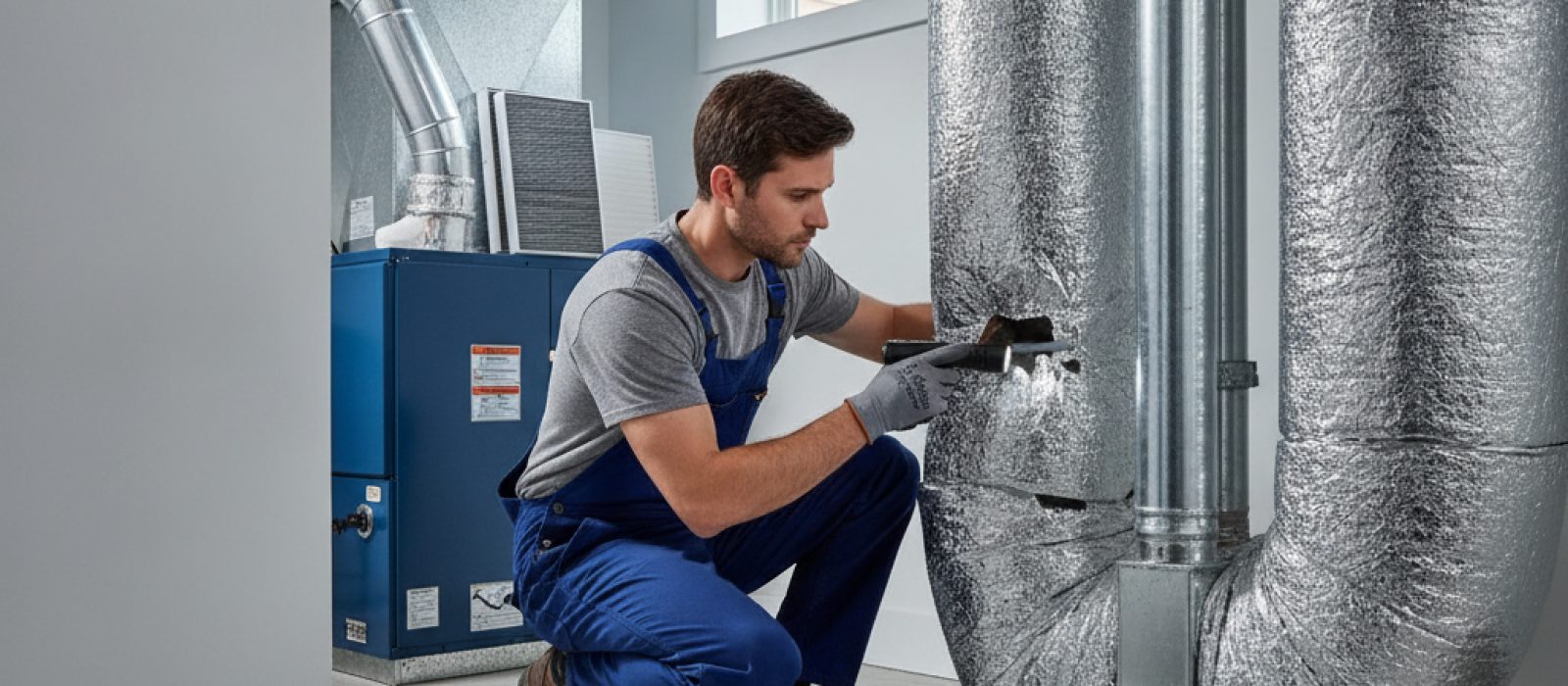
Discover the signs of rodent infestation in your HVAC system and learn how to identify, address, and prevent pest issues in your ductwork.
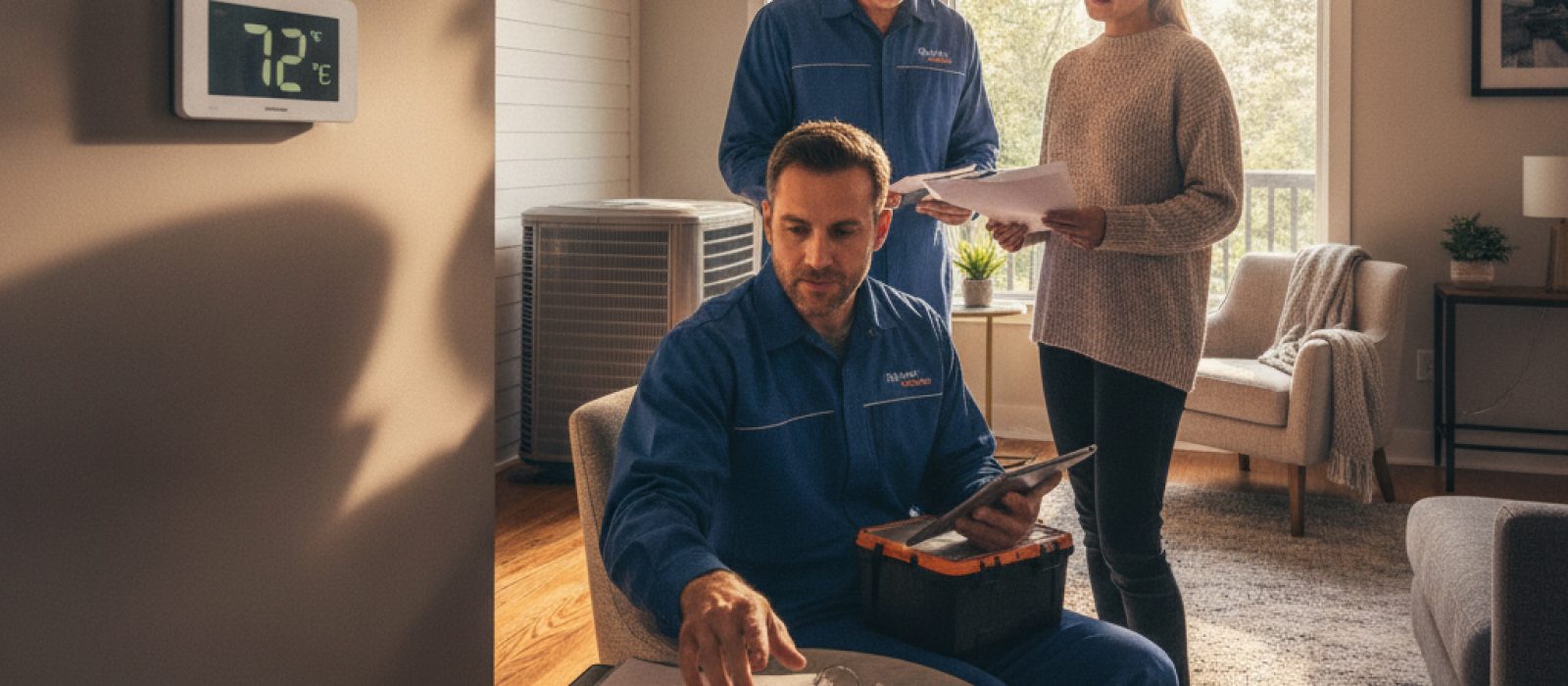
Learn why maintaining a detailed history of your HVAC service records protects your warranty, boosts resale value, and ensures system longevity.
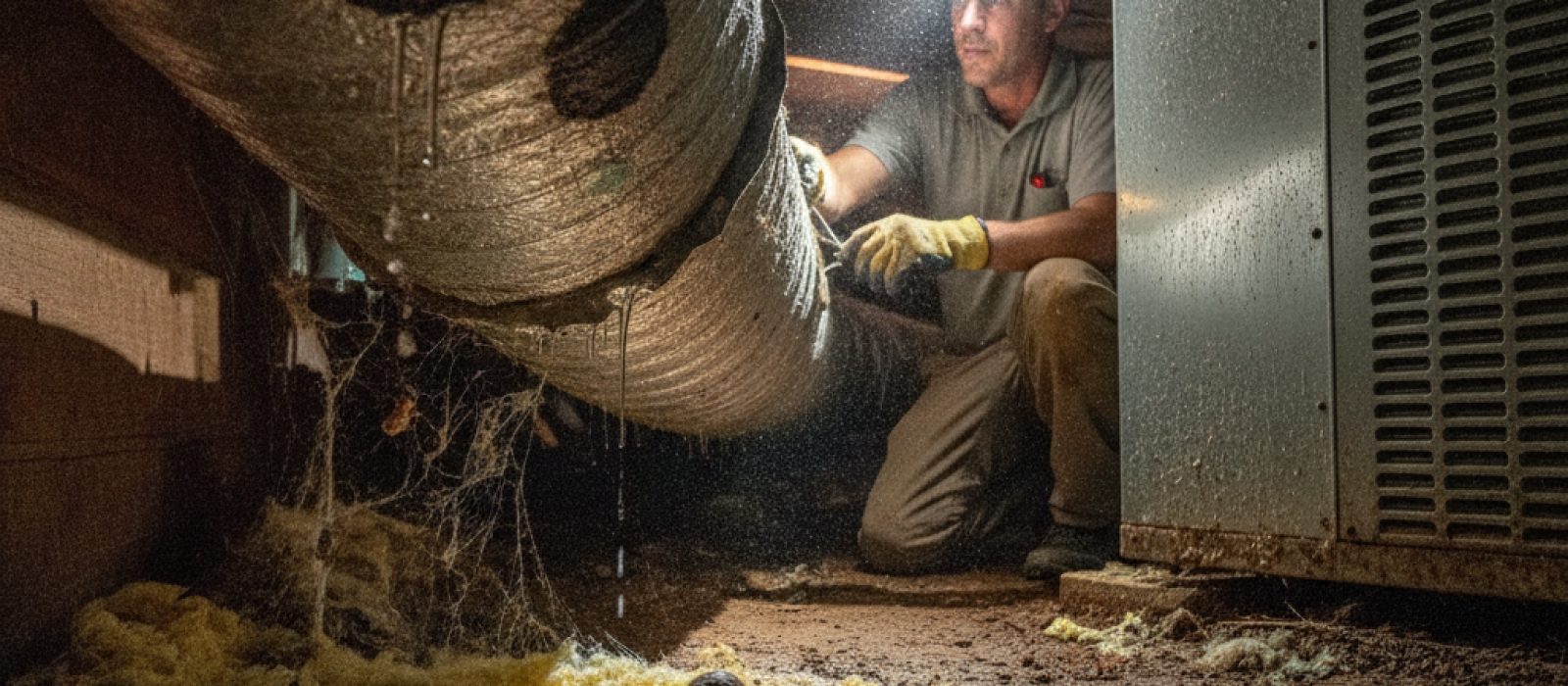
Learn how to identify and resolve common crawl space ductwork problems, including moisture buildup, pest intrusion, and damaged insulation.

Learn how upgrading or maintaining your HVAC registers and grilles can optimize home comfort, improve efficiency, and protect your indoor air quality.
Be the first to comment.