
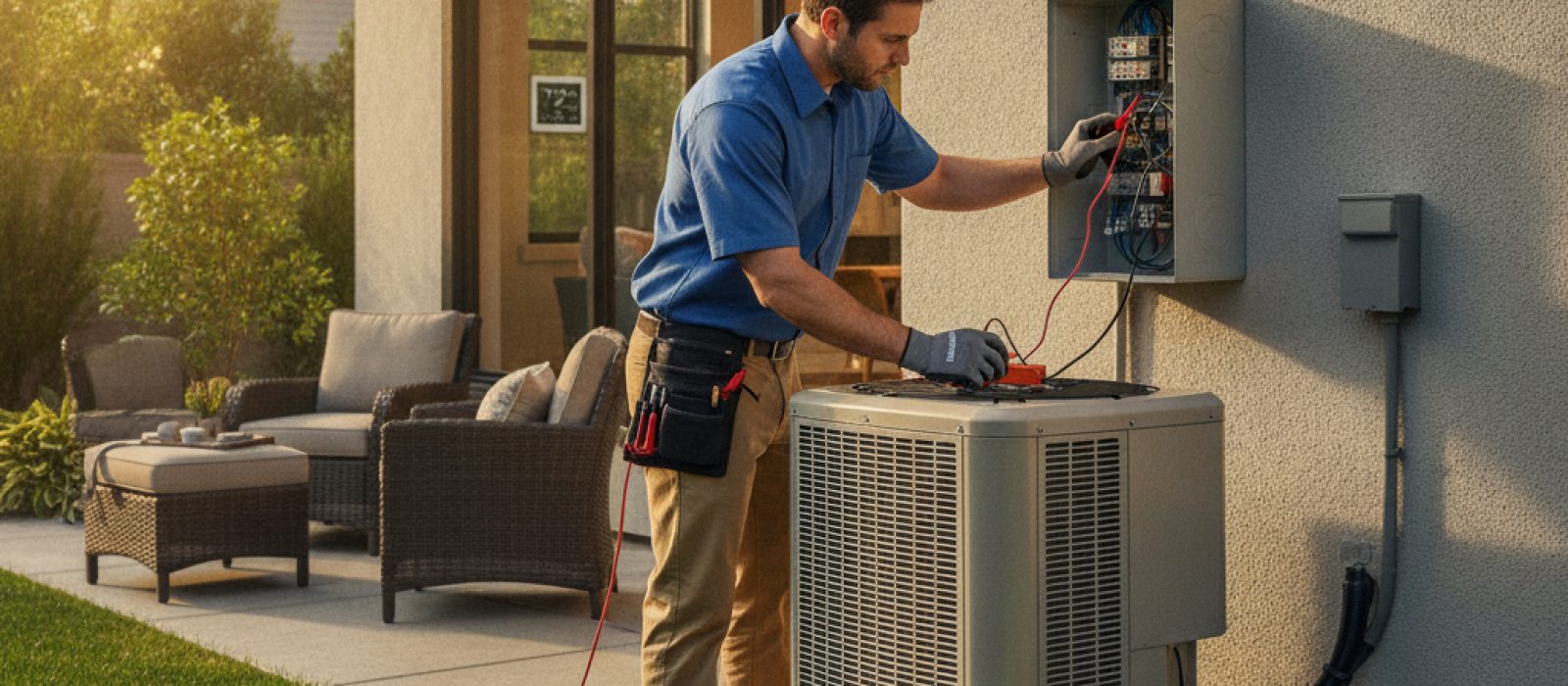
HVAC Disconnect Box: What It Is and Why It Matters
Learn the function of the HVAC disconnect box, why it is vital for safety, and how to identify when this critical component requires professional attention.
4 min read

Static pressure is the measurement of air resistance within an HVAC system. Think of it as the 'blood pressure' of a heating and cooling system. When an air handler pushes air through ducts, filters, and coils, that air encounters physical obstacles. If the resistance is too high, the blower motor must work harder, consume more electricity, and move less air than the system requires for proper operation.
Measuring this pressure provides a diagnostic snapshot of how well the airflow is balanced. A system operating outside its manufacturer-specified static pressure range will inevitably experience premature component failure, specifically regarding the blower motor and the heat exchanger. This diagnostic procedure is a cornerstone of professional Maintenance & Tune-up visits, yet it is often overlooked during basic inspections.
When airflow is restricted, the system experiences 'choked' conditions. The blower motor struggles to move the required volume of air, leading to several immediate and long-term issues. High static pressure is essentially a silent killer of HVAC efficiency.
Static pressure issues usually stem from a few specific areas of the ductwork and filtration system. Identifying these early is vital for effective Energy Efficient Solutions.
The most common culprit is a dirty or overly restrictive air filter. While high-MERV filters are excellent for capturing particulates, they are not always compatible with every blower motor. If a filter is too dense, it acts as a wall, drastically increasing the pressure drop across the return side of the system.
Ducts that are undersized, crushed, kinked, or contain too many sharp turns create significant turbulence and friction. In older homes, original ductwork may have been designed for smaller, less powerful systems, making it incapable of handling the airflow requirements of modern high-efficiency equipment. If you suspect your ducting is the bottleneck, professional Ductwork Services can assess whether duct modification or sealing is required to restore proper airflow.
Homeowners often close off vents in unused rooms to 'save money.' This is a misconception that creates a pressure imbalance. Closing registers increases the static pressure in the supply plenum, which can cause leaks at duct joints and force the system to struggle against the added resistance.
Static pressure testing requires the use of a digital manometer and static pressure tips. This is a technical task that should be performed by a licensed technician. The process involves drilling small ports into the supply and return plenums to measure the pressure differential.
A technician will measure the total external static pressure (TESP). This is the sum of the absolute values of the return side pressure (negative) and the supply side pressure (positive). By comparing this TESP against the nameplate data on the air handler or furnace, the technician can determine if the system is operating within the manufacturer’s design parameters.
If the TESP is too high, the technician will investigate further to isolate the restriction. This might involve checking the cleanliness of the indoor coil, inspecting the blower wheel for debris, or evaluating the duct geometry. Addressing these mechanical imbalances is essential to long-term Heating Services and AC Services reliability.
While homeowners can easily monitor their own filter cleanliness and ensure vents are unobstructed, physical static pressure testing is not a DIY task. It requires specialized diagnostic tools and the knowledge to interpret the results in the context of specific blower motor performance curves.
Attempting to modify ductwork or open the blower cabinet to inspect internal components involves risks related to electrical shock and high-voltage connections. Always rely on a professional to perform these diagnostics. If your system is failing to maintain temperature, it is safer to schedule a professional evaluation rather than attempting to diagnose airflow pressure yourself.
Proper static pressure is not just about the life of the machine; it is about the quality of the air you breathe. When a system is properly balanced, it pulls air through the filtration media as intended. When the system is struggling against high resistance, air will often bypass the filter through leaks in the ductwork, pulling dust, insulation fibers, and allergens directly into the airstream and distributing them throughout the home.
Maintaining appropriate static pressure ensures that your Indoor Air Quality systems function effectively. When the blower is moving the correct volume of air, your air cleaners and purifiers can do their job, capturing contaminants rather than letting them bypass the system due to pressure-related air leaks.
Learn the function of the HVAC disconnect box, why it is vital for safety, and how to identify when this critical component requires professional attention.

Ensure long-term comfort and efficiency by asking the right questions about your home's ductwork design during the new construction process.
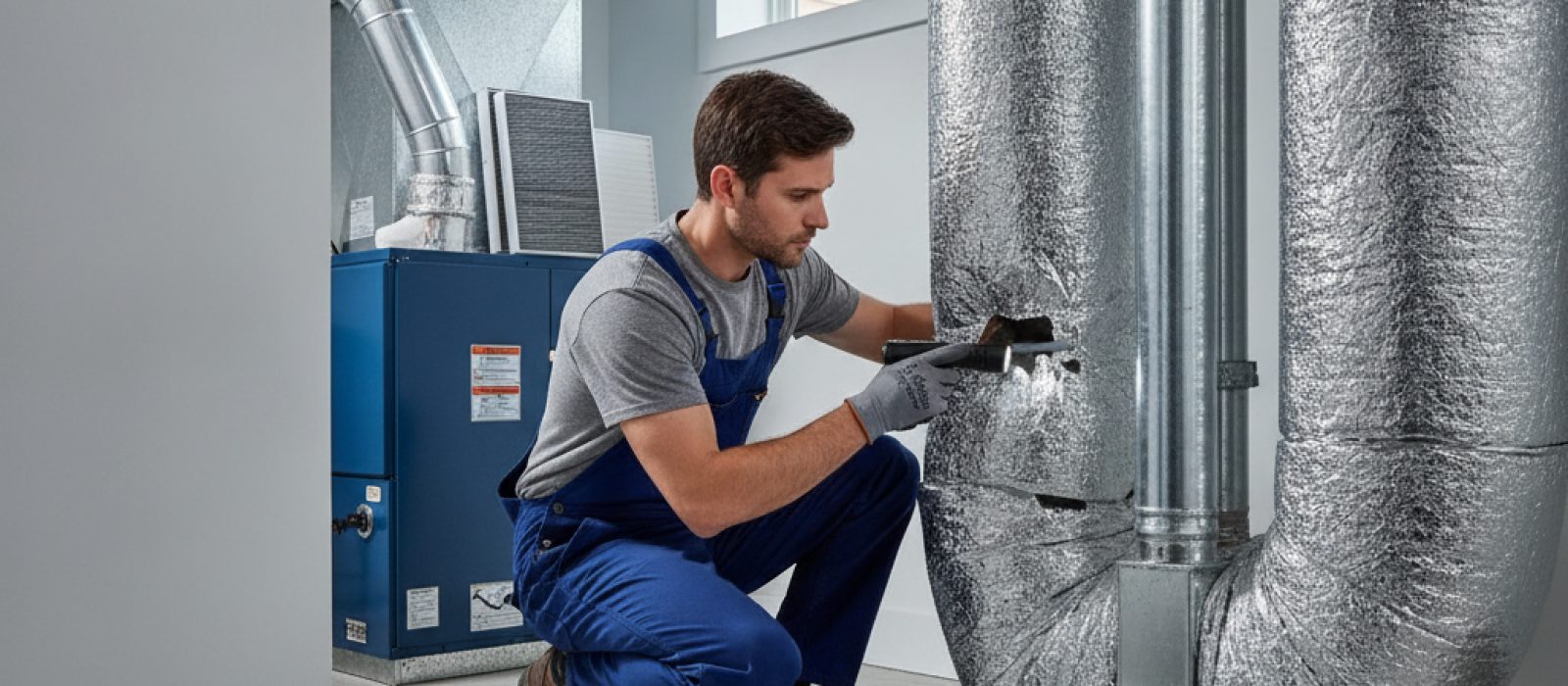
Discover the signs of rodent infestation in your HVAC system and learn how to identify, address, and prevent pest issues in your ductwork.
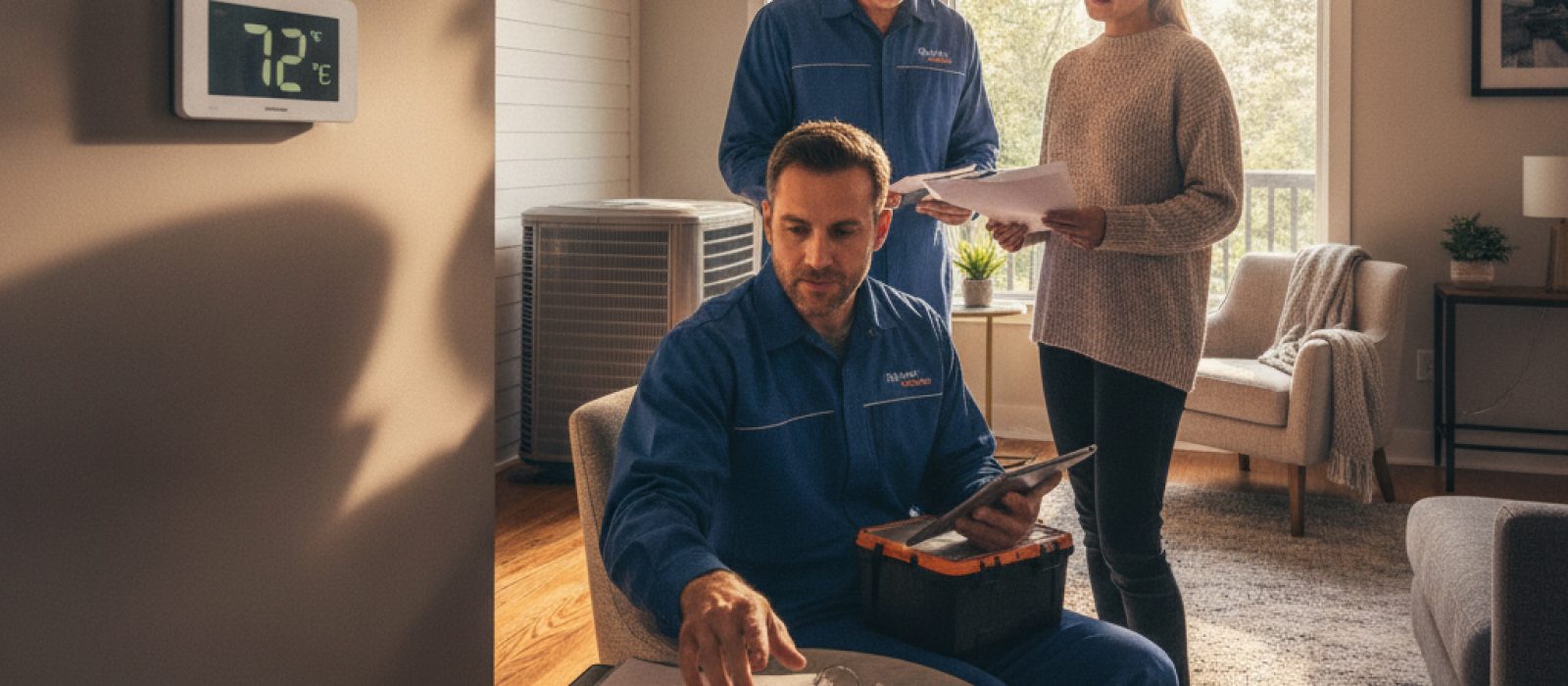
Learn why maintaining a detailed history of your HVAC service records protects your warranty, boosts resale value, and ensures system longevity.
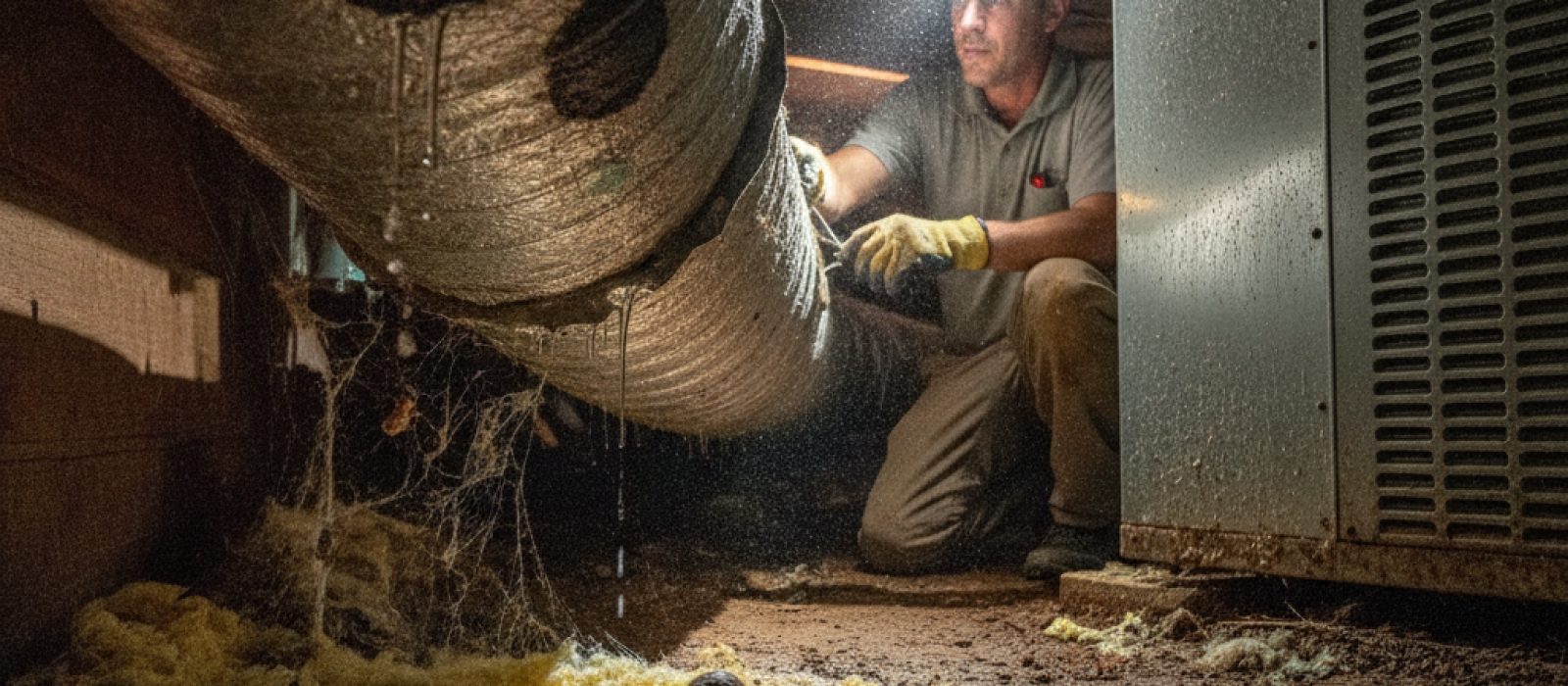
Learn how to identify and resolve common crawl space ductwork problems, including moisture buildup, pest intrusion, and damaged insulation.

Learn how upgrading or maintaining your HVAC registers and grilles can optimize home comfort, improve efficiency, and protect your indoor air quality.
Be the first to comment.