
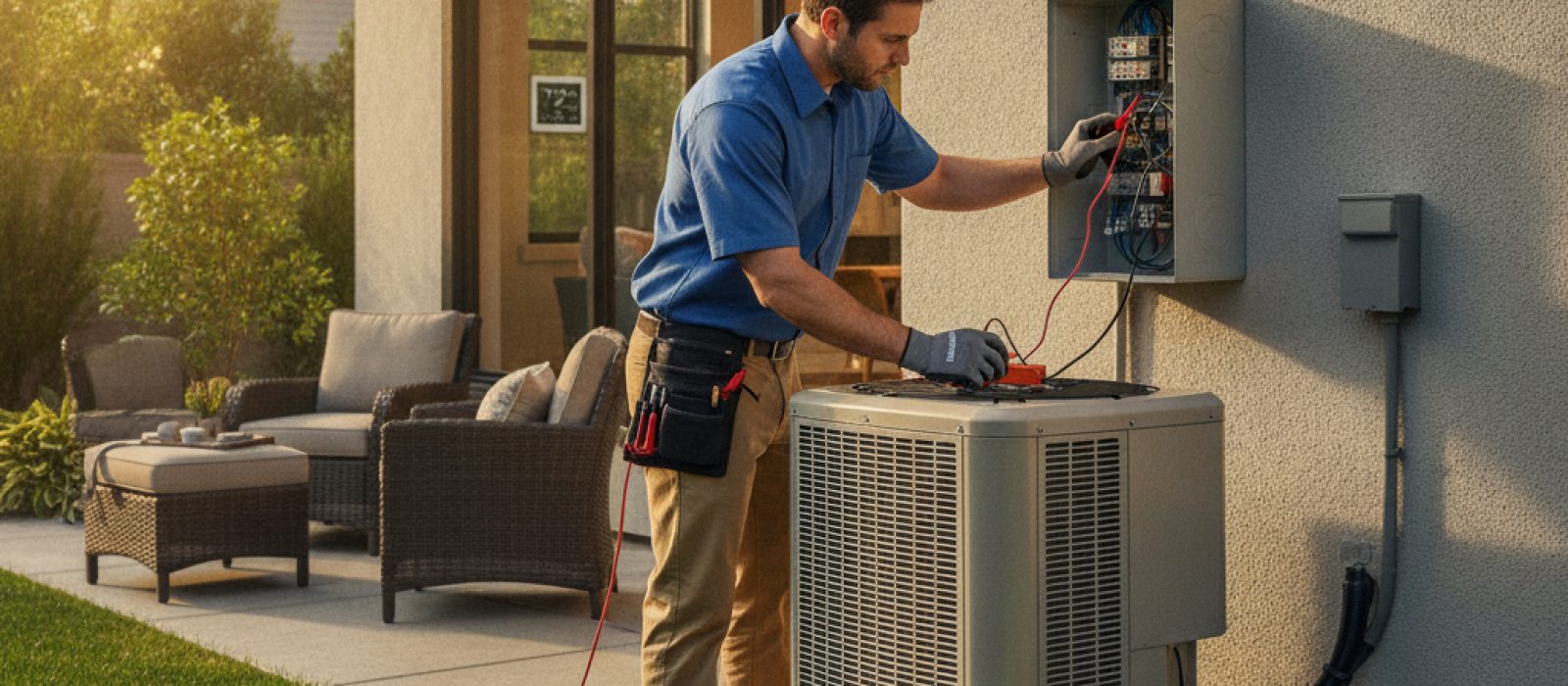
HVAC Disconnect Box: What It Is and Why It Matters
Learn the function of the HVAC disconnect box, why it is vital for safety, and how to identify when this critical component requires professional attention.
4 min read

An HVAC system operates as a closed loop. The supply vents deliver conditioned air—cooled or heated—into your living spaces, while return vents pull stale air back into the system to be filtered, conditioned, and recirculated. Understanding this relationship is critical for effective home maintenance and ensuring long-term system efficiency.
When this balance is disrupted, the system must work harder to move air, leading to increased energy consumption and potential mechanical strain. Proper airflow management is a cornerstone of professional Maintenance & Tune-up services, as even minor obstructions can significantly alter the pressure dynamics within a home.
Supply vents are the delivery points located in ceilings, walls, or floors. They are connected to the blower fan, which pushes air through the ductwork and out into each room. These vents are typically equipped with dampers that allow homeowners to adjust the volume of air entering a specific space.
It is a common misconception that closing supply vents in unused rooms saves energy. In reality, modern HVAC systems are designed to operate with a specific amount of airflow. Restricting this flow can cause pressure to build up in the ducts, potentially leading to leaks at the joints or causing the blower motor to overheat. If you notice uneven temperatures throughout your home, consider scheduling a professional assessment of your Ductwork Services to ensure the system is balanced correctly.
Return vents are the intake points that pull air out of your rooms and back toward the central unit. Unlike supply vents, return vents do not usually have dampers, and they should never be blocked by furniture, heavy curtains, or rugs. These vents are essential for maintaining the pressure equilibrium required for the system to function.
The return side of the system is also where the air filter is located. By pulling air through the filter before it reaches the blower and heat exchanger, the return system protects sensitive internal components from dust and debris. Consistently changing filters is a basic task that falls under routine Indoor Air Quality care, as a clogged filter restricts return airflow and forces the blower to work against increased resistance.
An imbalanced system often manifests through physical symptoms in the home. If you notice that doors seem to stick or swing shut on their own when the HVAC system kicks on, this is a clear sign of pressure imbalances. This usually indicates that air is being supplied to a room but cannot adequately return to the central system, creating a positive pressure zone.
Conversely, if a room feels stuffy or the temperature remains stagnant despite the system running, it may indicate a lack of proper return airflow. In these instances, the air being supplied is not effectively displacing the existing air in the room, leading to poor circulation. Addressing these issues early can prevent the need for more costly Furnace Services or emergency repairs down the road.
Homeowners can perform simple inspections to ensure vents are operating at peak performance. Start by visually inspecting all supply and return grilles to ensure they are free of dust buildup and physical obstructions. Use a vacuum attachment to clear debris from the slats, as accumulation here gradually reduces the volume of air the system can process.
Check the distance between your return vents and any furniture. A minimum clearance of at least 12 to 18 inches is generally recommended to allow for unrestricted air intake. If you find that internal ductwork is damaged or disconnected, this is a task that requires a professional. Attempting to repair ductwork without the proper tools and knowledge can lead to further damage to the system’s structural integrity.
While basic cleaning is a standard part of home maintenance, deeper issues often require professional intervention. If you experience persistent hot or cold spots, or if your energy bills have risen without a change in usage habits, a technician can perform a static pressure test. This test identifies whether the supply or return side of your system is restricted.
Professionals use specialized equipment to map out airflow and identify leaks that are otherwise invisible. This is particularly important for older homes where ductwork may have deteriorated over time. Regular professional oversight ensures that your system remains efficient, extending the lifespan of your equipment and keeping your home environment stable throughout the changing seasons.
Learn the function of the HVAC disconnect box, why it is vital for safety, and how to identify when this critical component requires professional attention.

Ensure long-term comfort and efficiency by asking the right questions about your home's ductwork design during the new construction process.
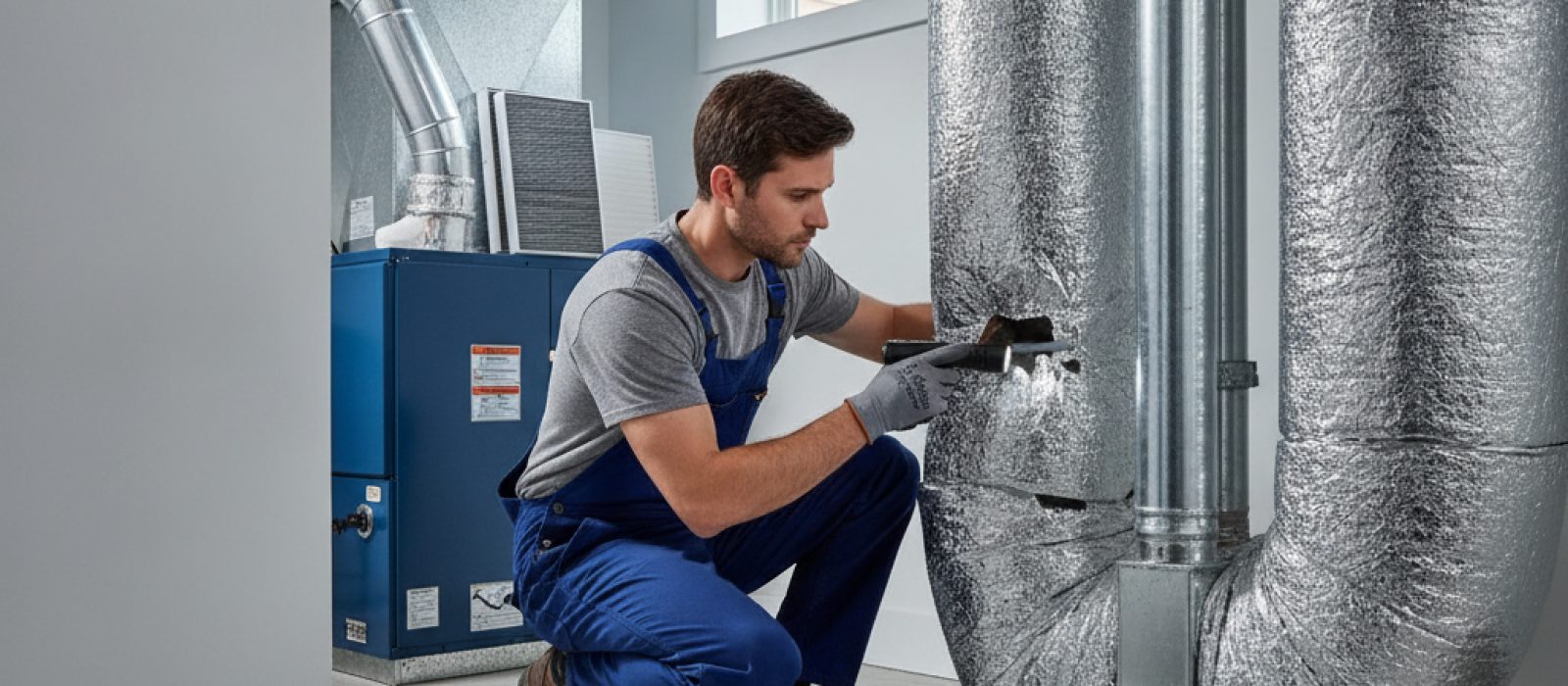
Discover the signs of rodent infestation in your HVAC system and learn how to identify, address, and prevent pest issues in your ductwork.
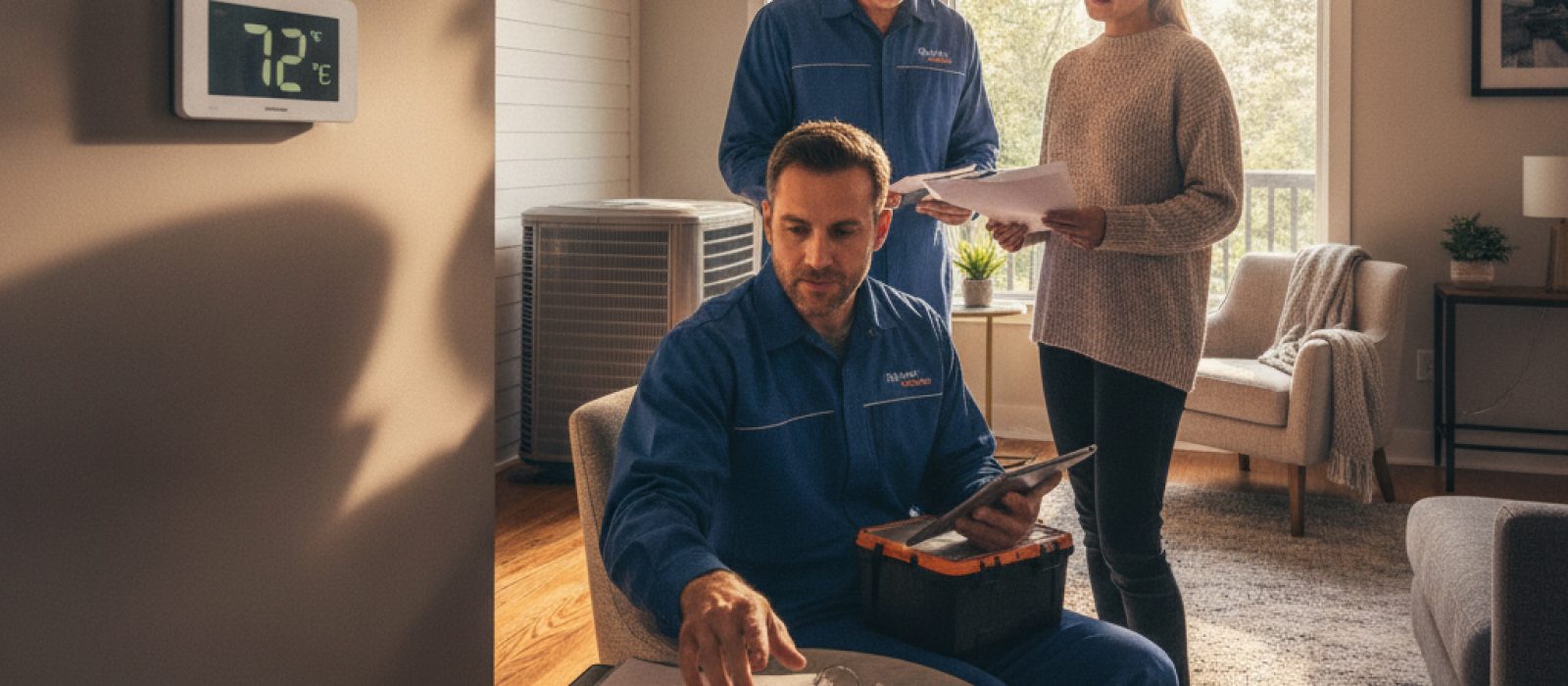
Learn why maintaining a detailed history of your HVAC service records protects your warranty, boosts resale value, and ensures system longevity.
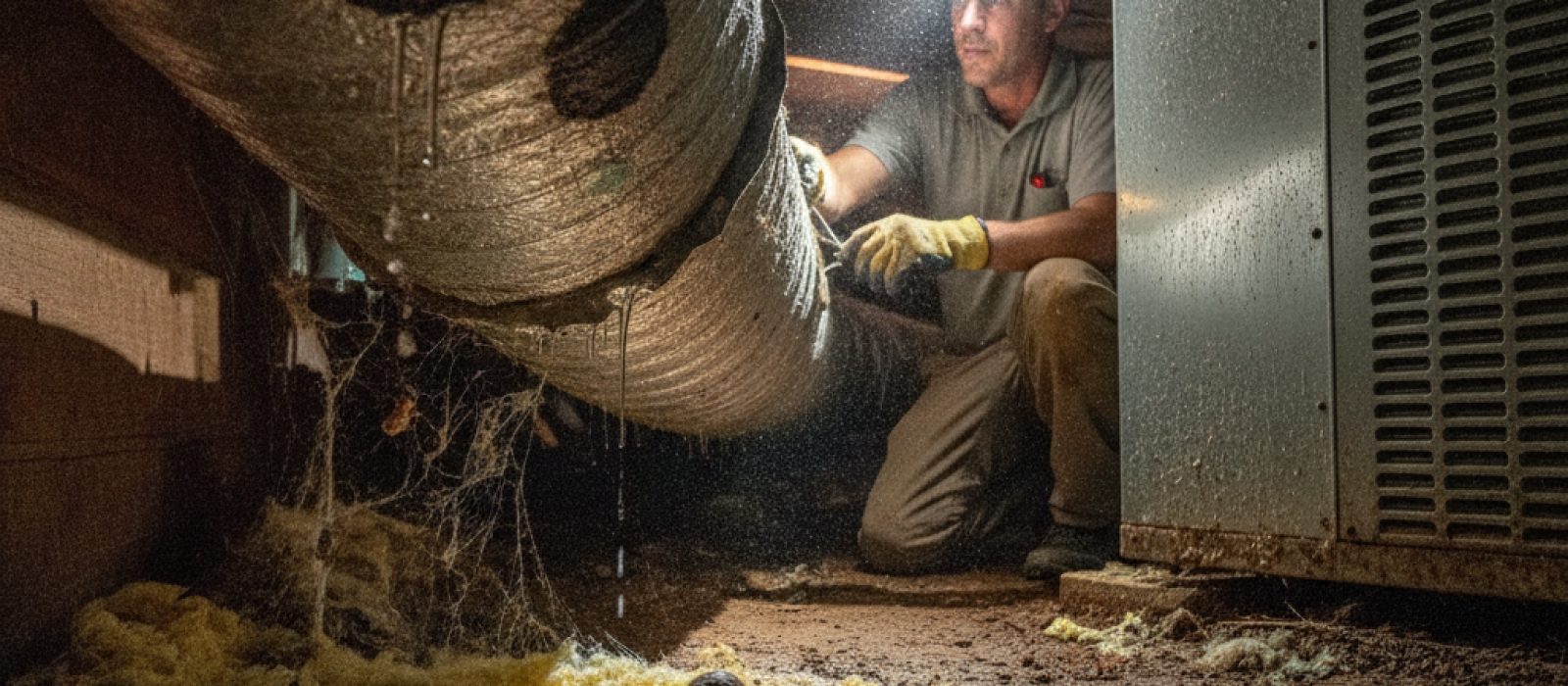
Learn how to identify and resolve common crawl space ductwork problems, including moisture buildup, pest intrusion, and damaged insulation.
Learn how upgrading or maintaining your HVAC registers and grilles can optimize home comfort, improve efficiency, and protect your indoor air quality.
Be the first to comment.