What's Included in Professional HVAC Maintenance Service?
4 min read
Why Professional HVAC Maintenance is Essential
As a homeowner, your HVAC system is one of the most critical components of your comfort and energy efficiency. It works hard year-round to keep your indoor environment pleasant, no matter the weather outside. Just like your car, your HVAC system requires regular professional maintenance to operate at its best, prevent costly breakdowns, and extend its lifespan. But what exactly does a professional HVAC maintenance service include? Let's break it down.
The Core Components of a Comprehensive HVAC Tune-Up
When a qualified technician arrives for your scheduled maintenance, they follow a detailed checklist to ensure every critical aspect of your system is inspected and serviced. While specific steps might vary slightly by company or system type, the core components generally include:
1. Thorough Inspection and Diagnostics
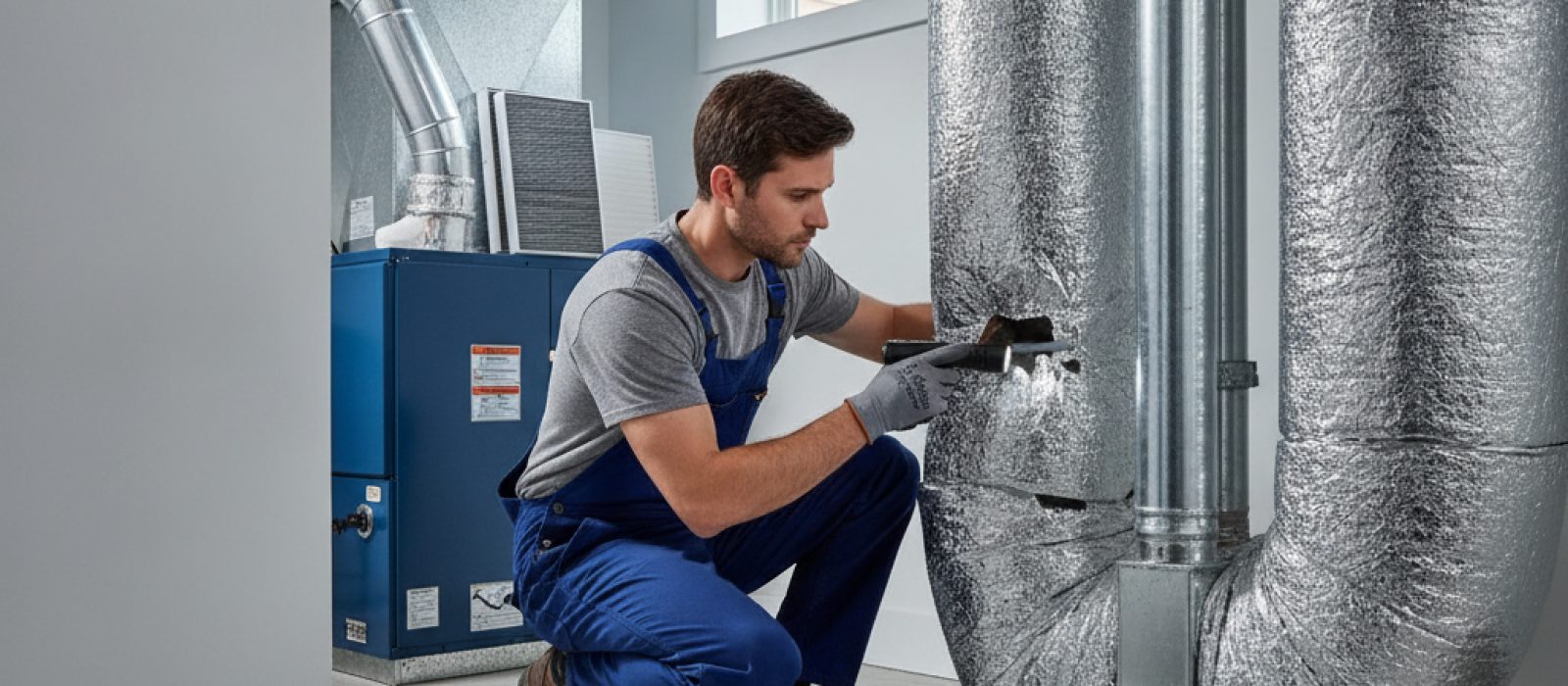
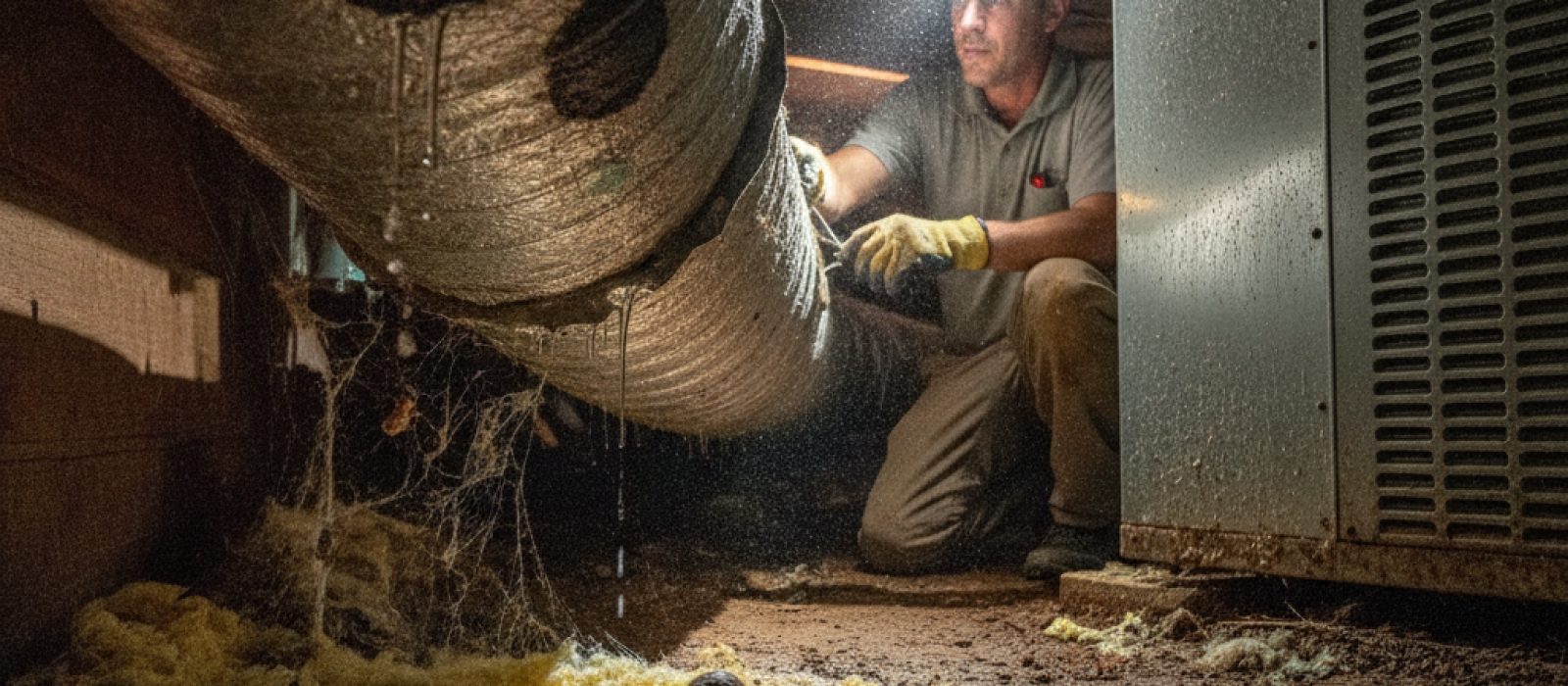
Visual Inspection: The technician will begin with a comprehensive visual inspection of your entire HVAC system, both indoor and outdoor units, checking for any obvious signs of wear, damage, or potential issues.
System Controls Test: They'll test the thermostat and other system controls to ensure they are functioning accurately and communicating properly with the units.
Safety Checks: Critical safety components, such as limit switches, safety controls, and carbon monoxide detectors (if applicable), will be tested to ensure they are operating correctly, preventing potential hazards.
2. Cleaning and Calibration
Filter Replacement/Cleaning: This is one of the simplest yet most crucial tasks. A dirty air filter restricts airflow and reduces efficiency. The technician will either replace your disposable filter or clean your permanent one.
Coil Cleaning: The evaporator and condenser coils collect dirt and debris over time, hindering heat transfer. Professional cleaning helps restore their efficiency, which is vital for both cooling and heating cycles.
Drain Line Clearing: The condensate drain line can become clogged with algae and debris, leading to water leaks and potential damage. Technicians will clear and flush the line.
Blower Component Cleaning: The blower motor and wheel are responsible for circulating air. Cleaning these components ensures efficient airflow and quiet operation.
Lubrication: Moving parts within the system, such as motors and bearings, require proper lubrication to reduce friction and prevent premature wear.
3. Performance Optimization
Refrigerant Level Check: For air conditioning systems, the technician will check refrigerant levels and pressure. Low refrigerant can indicate a leak and severely impact cooling performance and energy efficiency.
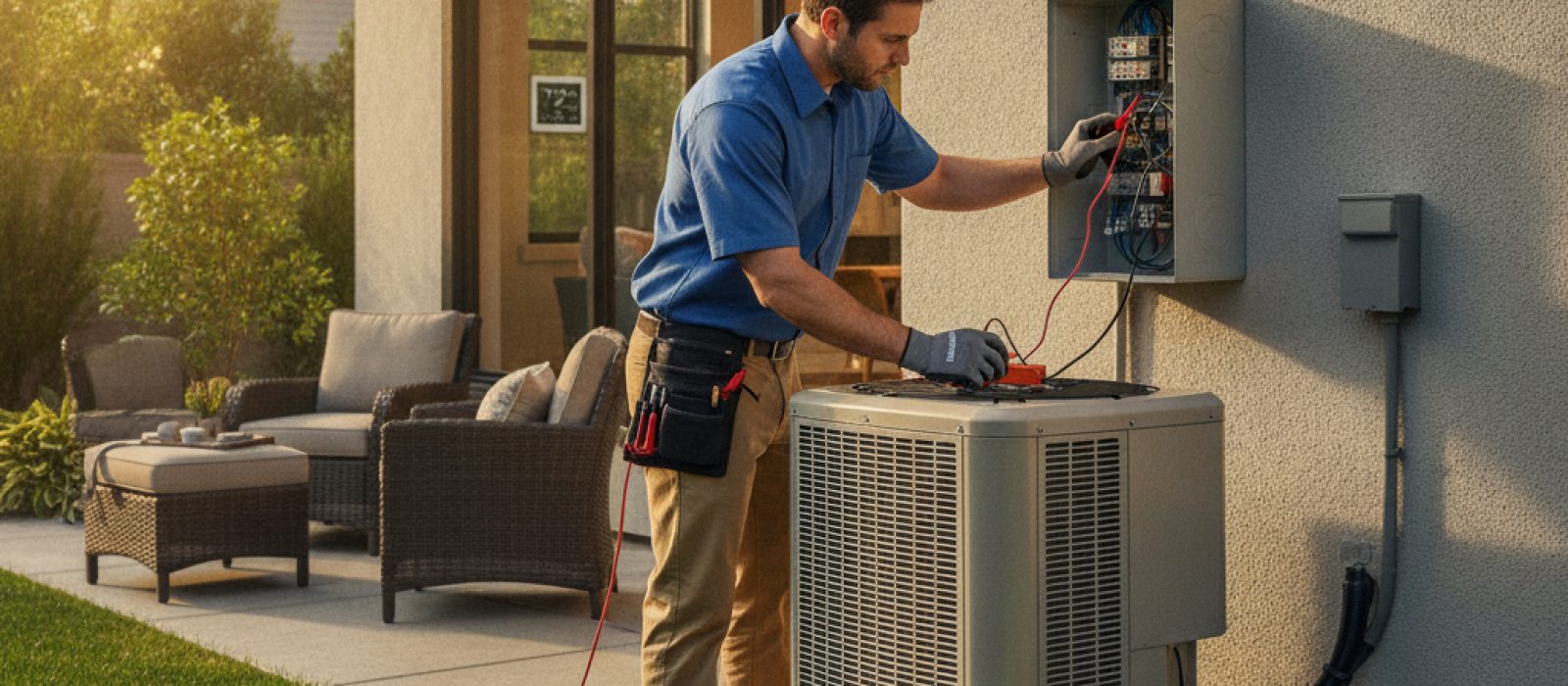
Electrical Connections Check: All electrical connections will be inspected for tightness and corrosion. Loose connections can be a fire hazard and cause system malfunctions. Amperage and voltage will also be measured.
Fan and Blower Motor Inspection: The technician will inspect the fan blades and blower motor for proper operation, balance, and signs of wear.
Burner and Heat Exchanger Inspection (for furnaces): For heating systems, the technician will inspect the burner assembly for proper ignition and flame pattern, and carefully check the heat exchanger for cracks or damage, which can be a serious safety concern (carbon monoxide leaks).
Temperature Split Measurement: They will measure the temperature difference between the supply and return air to ensure your system is heating or cooling effectively.
The Benefits of Regular Professional Maintenance
Investing in professional HVAC maintenance offers numerous advantages:
Increased Efficiency: A well-maintained system uses less energy, leading to lower utility bills.
Extended Lifespan: Regular tune-ups help prevent wear and tear, prolonging the life of your expensive equipment.
Improved Comfort: Your system will heat and cool more effectively and consistently, providing better indoor comfort.
Fewer Breakdowns: Technicians can identify and address minor issues before they escalate into major, costly repairs.
Enhanced Air Quality: Clean coils and filters contribute to cleaner indoor air.
Maintained Warranty: Many HVAC manufacturers require annual professional maintenance to keep your warranty valid.
When to Schedule Your Maintenance
It's generally recommended to have your HVAC system serviced twice a year: once in the spring for your air conditioning unit before the summer heat hits, and once in the fall for your heating system before the cold weather arrives. This proactive approach ensures your system is ready for the demands of each season.
Choosing the Right HVAC Professional
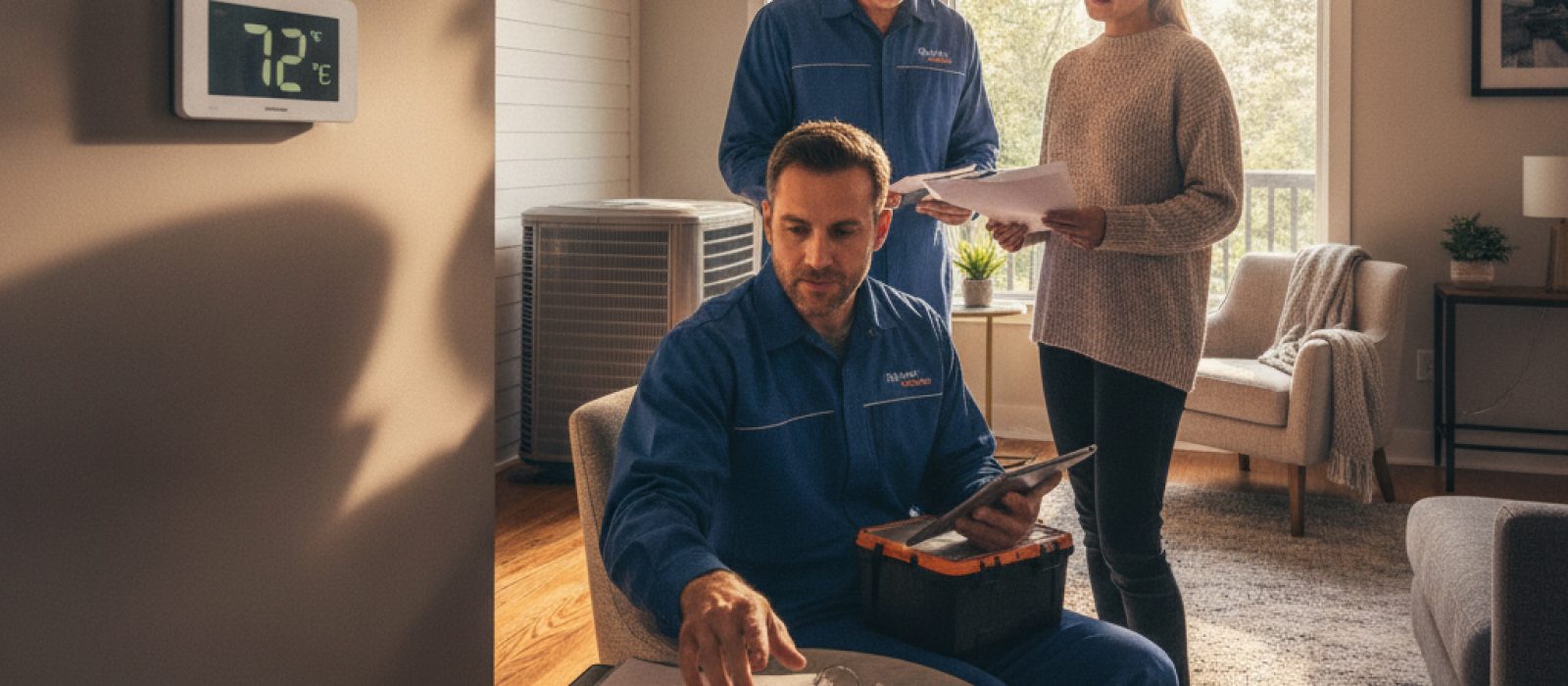
When selecting an HVAC service provider, look for licensed, insured, and reputable companies with experienced technicians. Don't hesitate to ask about their maintenance checklist and what's included in their service plans. A professional will be transparent about their process and happy to answer any questions you have.
By understanding what goes into a professional HVAC maintenance service, you can make informed decisions to protect your home comfort, save money on energy bills, and ensure your system runs reliably for years to come.
Why is professional HVAC maintenance important for homeowners?
Professional HVAC maintenance is essential to ensure your system operates efficiently, prevent costly breakdowns, extend its lifespan, and maintain indoor comfort and energy efficiency.
What are the main categories of tasks included in an HVAC tune-up?
A comprehensive HVAC tune-up typically includes thorough inspection and diagnostics, cleaning and calibration of components, and performance optimization checks.
What kind of cleaning is done during HVAC maintenance?
Cleaning tasks include replacing or cleaning air filters, cleaning evaporator and condenser coils, clearing the condensate drain line, and cleaning blower components.
Are safety checks part of a professional HVAC maintenance service?
Yes, critical safety components like limit switches, safety controls, and carbon monoxide detectors (if applicable) are tested to ensure correct operation and prevent hazards.
How does HVAC maintenance improve energy efficiency?
A well-maintained system with clean coils, proper refrigerant levels, and lubricated parts uses less energy, leading to lower utility bills.
What is inspected for furnaces during a maintenance service?
For heating systems, the burner assembly is inspected for proper ignition and flame, and the heat exchanger is carefully checked for cracks or damage.
Learn the function of the HVAC disconnect box, why it is vital for safety, and how to identify when this critical component requires professional attention.