
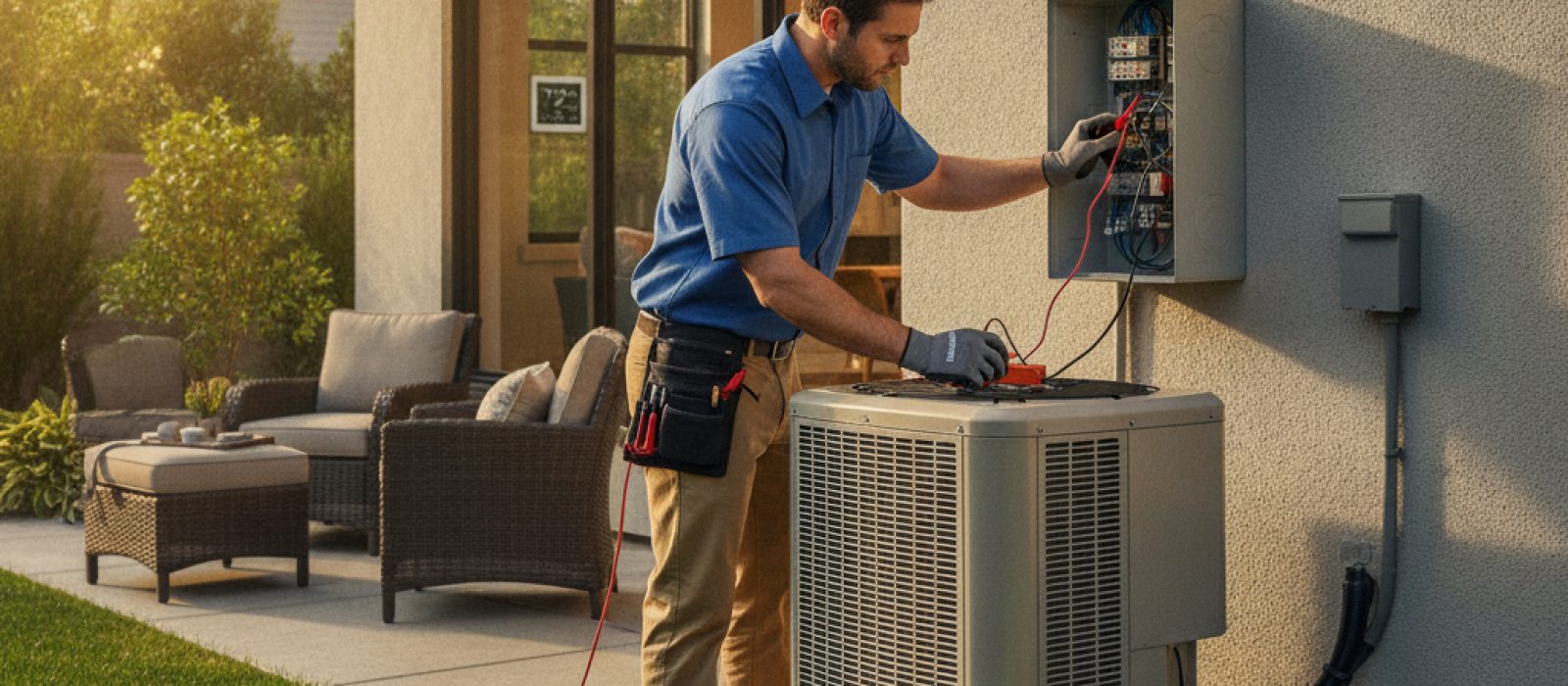
HVAC Disconnect Box: What It Is and Why It Matters
Learn the function of the HVAC disconnect box, why it is vital for safety, and how to identify when this critical component requires professional attention.
4 min read

When severe weather hits – be it a powerful thunderstorm, a blizzard, or even a hurricane's aftermath – our homes often bear the brunt. While we typically focus on roof damage, downed trees, and power outages, it's crucial not to overlook your home's heating, ventilation, and air conditioning (HVAC) system. Your HVAC unit, particularly the outdoor components, is exposed to the elements and can suffer significant damage. A post-storm check-up isn't just about comfort; it's about safety, efficiency, and preventing more costly repairs down the line.
Before you even think about flipping the thermostat, take a few moments to assess the situation. Your proactive steps can make a big difference.
Once you've ensured safety, you can begin a visual inspection of your outdoor unit, also known as the condenser or heat pump.
While the outdoor unit is more vulnerable, severe weather can still impact your indoor system.
While a DIY visual inspection is helpful, some issues absolutely require expert attention. You should immediately call a qualified HVAC technician if:
A professional HVAC technician can safely assess electrical components, refrigerant levels, fan motors, and internal controls that are beyond the scope of a homeowner's inspection. They have the tools and expertise to diagnose hidden damage and ensure your system operates safely and efficiently.
After you've recovered from one storm, it's wise to think about the next. Consider these preventative steps:
Severe weather is an unavoidable part of living in many parts of the U.S., but by being prepared and knowing what to do afterward, you can help protect your HVAC system and maintain your home's comfort and safety.
Learn the function of the HVAC disconnect box, why it is vital for safety, and how to identify when this critical component requires professional attention.

Ensure long-term comfort and efficiency by asking the right questions about your home's ductwork design during the new construction process.
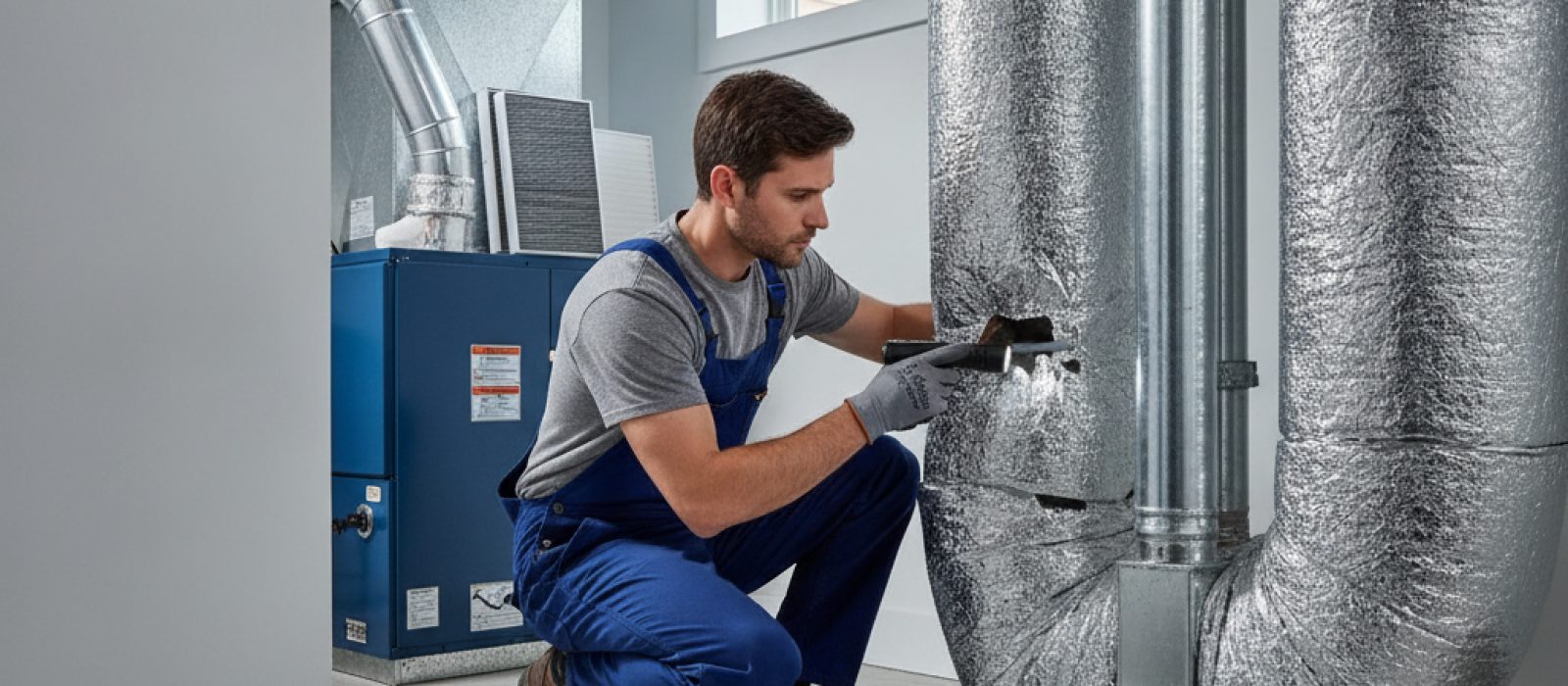
Discover the signs of rodent infestation in your HVAC system and learn how to identify, address, and prevent pest issues in your ductwork.
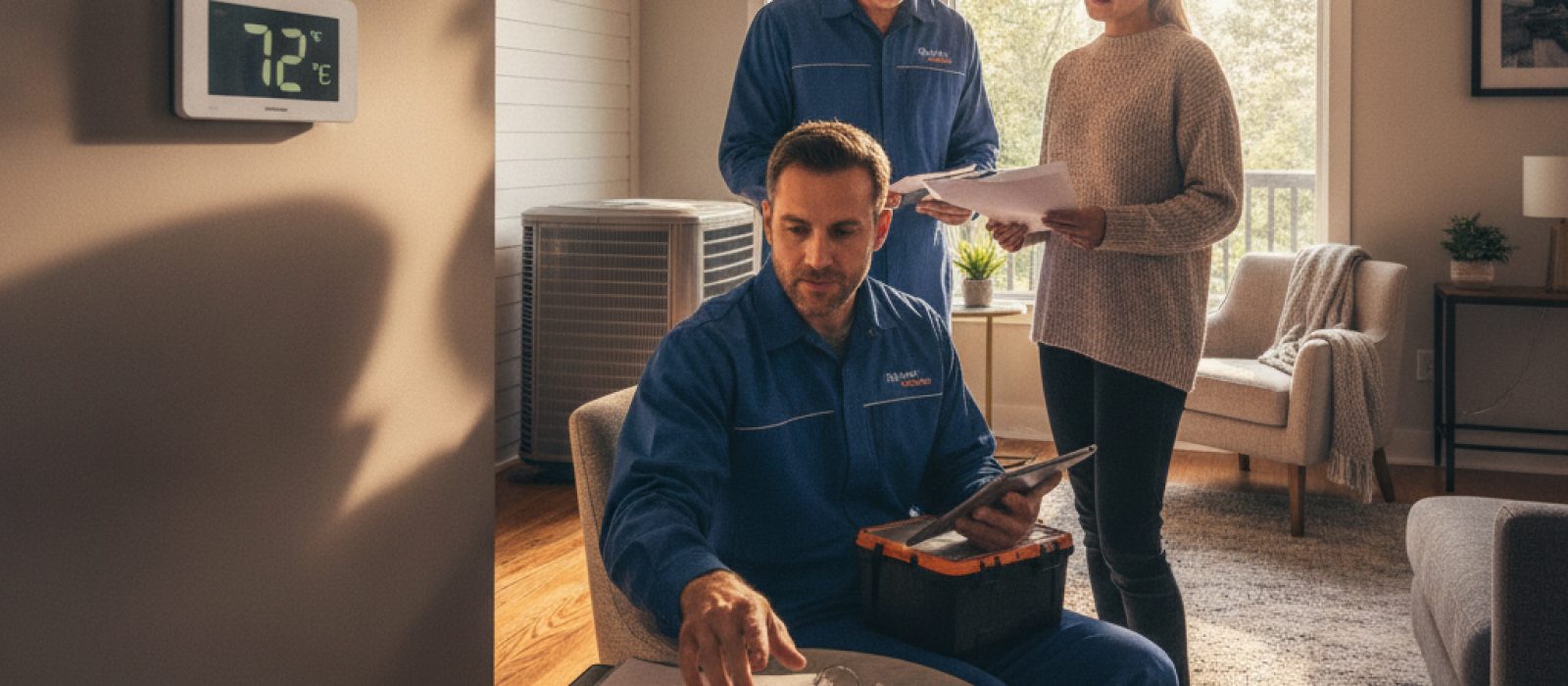
Learn why maintaining a detailed history of your HVAC service records protects your warranty, boosts resale value, and ensures system longevity.
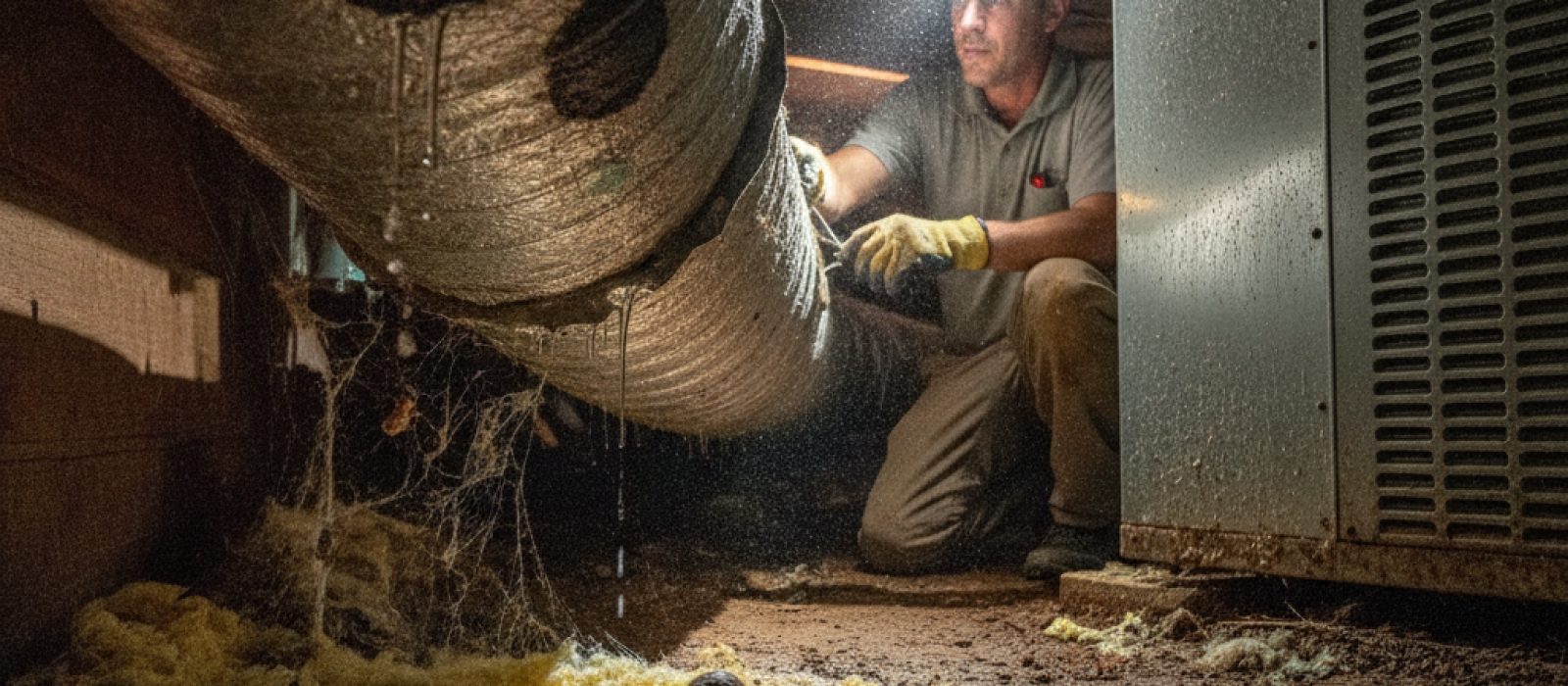
Learn how to identify and resolve common crawl space ductwork problems, including moisture buildup, pest intrusion, and damaged insulation.

Learn how upgrading or maintaining your HVAC registers and grilles can optimize home comfort, improve efficiency, and protect your indoor air quality.
Be the first to comment.